Full Service Digital Marketing Agency: The Ultimate Guide to Growing Your Business Online
In today’s competitive digital landscape, businesses must establish a strong online presence to succeed. A full service digital marketing agency plays a crucial role in helping companies navigate the complex world of online marketing. From SEO and PPC to social media and content marketing, these agencies provide comprehensive solutions to drive traffic, generate leads, and boost conversions. In this detailed guide, we’ll explore the benefits of hiring a full service digital marketing agency, the services they offer, and how they can transform your business. What is a Full Service Digital Marketing Agency? A full service digital marketing agency is a company that offers a wide range of online marketing services under one roof. Instead of hiring multiple specialized agencies, businesses can rely on a single provider for all their digital marketing needs. This approach ensures consistency, efficiency, and better results. Core Services Provided by a Full Service Digital Marketing Agency Search Engine Optimization (SEO) SEO helps improve a website’s ranking on search engines like Google, driving organic traffic and increasing visibility. Pay-Per-Click Advertising (PPC) PPC campaigns on platforms like Google Ads and Facebook Ads help businesses reach their target audience instantly. Content Marketing Quality content in the form of blogs, videos, and infographics engages audiences and improves brand credibility. Social Media Marketing Managing platforms like Facebook, Instagram, LinkedIn, and Twitter to grow brand awareness and engage customers. Email Marketing Personalized email campaigns nurture leads and drive sales. Web Design and Development A user-friendly, responsive, and visually appealing website enhances customer experience and increases conversions. Conversion Rate Optimization (CRO) Analyzing user behavior to optimize websites for higher lead conversions. Reputation Management Managing online reviews and brand perception to maintain a positive reputation. Why Choose a Full Service Digital Marketing Agency? 1. Comprehensive Strategy A full service digital marketing agency develops a cohesive strategy that aligns with your business goals. Instead of working with multiple vendors, you get a seamless marketing plan that integrates various channels effectively. 2. Cost-Effective Solution Hiring separate agencies for different marketing tasks can be costly. A full service digital marketing agency provides bundled services at a competitive price, maximizing your ROI. 3. Expertise Across Multiple Channels With a team of specialists in SEO, PPC, content marketing, and social media, these agencies bring expert knowledge to the table, ensuring every aspect of your digital marketing strategy is optimized. 4. Data-Driven Decision Making A full service digital marketing agency uses analytics and performance metrics to refine strategies, ensuring continuous improvement and better results. 5. Saves Time and Effort Managing digital marketing in-house requires time, effort, and technical expertise. Outsourcing to a full service digital marketing agency allows businesses to focus on core operations while marketing professionals handle online growth. How a Full Service Digital Marketing Agency Boosts Your Business 1. Improved Search Engine Rankings By implementing a solid SEO strategy, a full service digital marketing agency helps businesses rank higher on search engines, increasing organic traffic. 2. Increased Website Traffic With optimized content, PPC campaigns, and social media strategies, businesses attract more visitors and potential customers. 3. Better Lead Generation and Conversions From landing page optimization to retargeting strategies, these agencies focus on converting website visitors into leads and customers. 4. Enhanced Brand Awareness By leveraging social media marketing and content marketing, businesses establish themselves as thought leaders in their industry. 5. Higher ROI on Marketing Spend A data-driven approach ensures that every marketing dollar is spent wisely, leading to better returns and sustained growth. Choosing the Right Full Service Digital Marketing Agency When selecting a full service digital marketing agency, consider the following factors: Experience and Expertise: Look for an agency with a proven track record in your industry. Client Testimonials and Case Studies: Check reviews and success stories to gauge reliability. Range of Services: Ensure the agency offers all the services you need for your business growth. Transparent Reporting: Choose an agency that provides detailed performance reports. Custom Strategies: Avoid one-size-fits-all approaches; opt for personalized marketing solutions. Conclusion A full service digital marketing agency is a valuable partner for businesses looking to establish a strong online presence. By offering a complete range of services, these agencies help businesses attract, engage, and convert customers more effectively. Whether you’re a startup or an established enterprise, investing in a full service digital marketing agency can take your digital marketing efforts to the next level. If you’re looking to grow your business online, partnering with a reputable full service digital marketing agency is the smart move to ensure long-term success. FAQs About Full Service Digital Marketing Agencies 1. What does a full service digital marketing agency do? A full service digital marketing agency provides a wide range of online marketing services, including SEO, PPC, content marketing, social media management, and web development, to help businesses grow online. 2. Why should I hire a full service digital marketing agency? Hiring a full service digital marketing agency saves time, ensures expert execution of strategies, and provides a comprehensive marketing approach, leading to better results and higher ROI. 3. How much does a full service digital marketing agency charge? The cost varies depending on the services required, the agency’s expertise, and the business size. Most agencies offer flexible pricing models, including monthly retainers, project-based fees, or performance-based pricing. 4. How long does it take to see results from digital marketing? SEO and organic strategies can take 3-6 months, while PPC and paid campaigns deliver quicker results, often within a few weeks. 5. Can a full service digital marketing agency work with any industry? Yes, a full service digital marketing agency tailors strategies to fit different industries, whether it’s healthcare, e-commerce, finance, or real estate. 6. How do I measure the success of digital marketing campaigns? Key performance indicators (KPIs) such as website traffic, conversion rates, lead generation, and ROI help measure success. A full service digital marketing agency provides detailed analytics and reports. 7. What is the difference between a digital marketing agency and a traditional marketing agency? A full service digital marketing
Read More
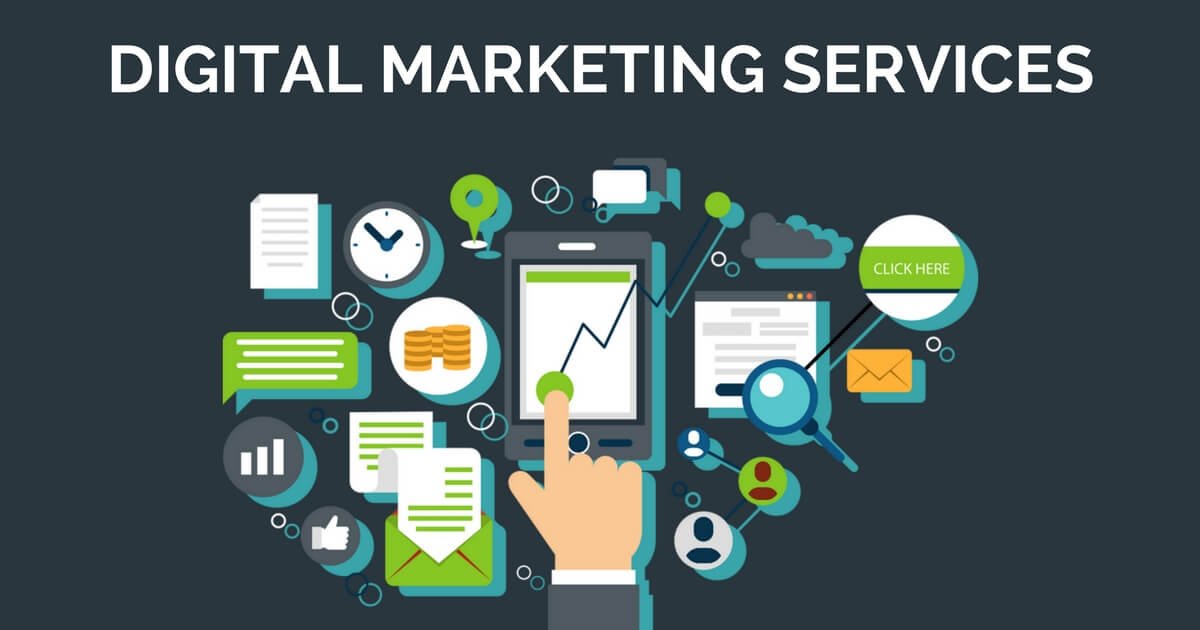
Digital Marketing Services: Elevating Your Brand in the Digital Age
In today’s rapidly evolving digital landscape, businesses must adopt comprehensive digital marketing strategies to remain competitive and connect with their target audiences effectively. At [Our Company Name], we offer a suite of digital marketing services designed to enhance your online presence, drive qualified traffic, and boost conversion rates. Search Engine Optimization (SEO) Our SEO services focus on improving your website’s visibility on search engines like Google. By conducting thorough keyword research, optimizing on-page elements, and building high-quality backlinks, we ensure your site ranks higher for relevant search queries. This approach not only increases organic traffic but also establishes your brand as an authority in your industry. Pay-Per-Click Advertising (PPC) To generate immediate visibility and attract potential customers, our PPC campaigns are meticulously crafted. We create targeted ad copies, optimize bidding strategies, and monitor ROI for each keyword to ensure maximum effectiveness. This method provides a cost-effective way to reach your audience and achieve your marketing goals. Social Media Marketing Engaging with your audience on platforms like Facebook, Instagram, and LinkedIn is crucial. Our social media marketing services aim to build brand awareness, foster community engagement, and drive website traffic. By creating compelling content and leveraging targeted advertising, we connect your brand with a broader audience. Content Marketing High-quality content is the cornerstone of any successful digital marketing strategy. Our team develops informative and engaging content that resonates with your audience, enhances your brand’s credibility, and supports SEO efforts. From blog posts to whitepapers, we provide content that drives results. Email Marketing Despite the rise of new communication channels, email remains a powerful tool for nurturing leads and maintaining customer relationships. We design personalized email campaigns that deliver value to your subscribers, encouraging engagement and driving conversions. Conversion Rate Optimization (CRO) Driving traffic to your website is only part of the equation. Our CRO services focus on improving the user experience to increase the percentage of visitors who complete desired actions, such as making a purchase or filling out a contact form. Through A/B testing and data analysis, we identify and implement strategies to boost your conversion rates. Web Design and Development A well-designed website is essential for making a positive first impression. Our web design and development services ensure your site is visually appealing, user-friendly, and optimized for performance across all devices. We create websites that not only look great but also drive business growth. eCommerce Marketing For online retailers, our eCommerce marketing solutions are tailored to drive top-of-funnel traffic and increase sales. We optimize product pages, generate product reviews, and personalize marketing strategies based on customer needs to enhance the shopping experience and boost revenue. Why Choose [Our Company Name]? At [Our Company Name], we are committed to delivering results-driven digital marketing solutions. Our team of experts stays abreast of the latest industry trends and employs cutting-edge strategies to ensure your business thrives in the digital realm. Partner with us to elevate your brand and achieve your marketing objectives. {stop article} Enhanced Sources 4o You said: write 7 faqs ChatGPT said: Frequently Asked Questions (FAQs) about Digital Marketing Services 1. What is digital marketing? Digital marketing refers to the use of online platforms and technologies to promote products or services. It encompasses various strategies such as search engine optimization (SEO), content marketing, social media marketing, email marketing, and pay-per-click (PPC) advertising. These methods aim to connect with potential customers through digital channels, enhancing brand visibility and driving sales. 2. Why is digital marketing important for my business? In today’s digital age, consumers increasingly rely on online information to make purchasing decisions. Digital marketing allows businesses to reach a broader audience, engage with customers in real-time, and measure the effectiveness of their marketing efforts. Implementing a robust digital marketing strategy can lead to increased brand awareness, higher customer engagement, and improved conversion rates. 3. What services are typically included in digital marketing? Digital marketing services often encompass: Search Engine Optimization (SEO): Enhancing website visibility on search engines. Content Marketing: Creating and distributing valuable content to attract and retain customers. Social Media Marketing: Promoting products or services through social media platforms. Email Marketing: Sending targeted emails to nurture leads and engage customers. Pay-Per-Click (PPC) Advertising: Running paid ads to drive traffic to your website. Analytics and Reporting: Monitoring and analyzing marketing performance to inform strategy. These services work together to create a comprehensive approach to online marketing. 4. How does SEO improve my website’s performance? Search Engine Optimization (SEO) involves optimizing your website’s content and structure to rank higher in search engine results. By targeting relevant keywords, improving site speed, and ensuring mobile-friendliness, SEO helps increase organic traffic to your site. Higher search rankings lead to greater visibility, which can result in more leads and sales. 5. What is the role of social media in digital marketing? Social media platforms provide businesses with the opportunity to engage directly with their audience, build brand loyalty, and promote products or services. Through targeted content and advertising, companies can reach specific demographics, gather customer feedback, and drive website traffic. Effective social media marketing can enhance brand reputation and foster community engagement. 6. How can content marketing benefit my business? Content marketing focuses on creating and sharing valuable content to attract and retain customers. By providing informative and relevant content, businesses can establish themselves as industry leaders, build trust with their audience, and influence purchasing decisions. This strategy not only drives traffic to your website but also supports other marketing efforts like SEO and social media marketing. 7. How do I measure the success of my digital marketing campaigns? Success in digital marketing is measured using key performance indicators (KPIs) such as website traffic, conversion rates, click-through rates (CTR), and return on investment (ROI). Utilizing analytics tools, businesses can track user behavior, assess the effectiveness of their campaigns, and make data-driven decisions to optimize future marketing efforts.
Read More
Boost Your Small Business with Expert SEO
In today’s digital landscape, establishing a robust online presence is crucial for small businesses aiming to thrive and outshine competitors. Search Engine Optimization (SEO) emerges as a pivotal strategy to enhance visibility, attract potential customers, and drive sustainable growth. By implementing expert SEO techniques, we can elevate our small business to new heights. Understanding the Importance of SEO for Small Businesses SEO involves optimizing our website to rank higher in search engine results, thereby increasing organic (non-paid) traffic. For small businesses, effective SEO translates to improved brand awareness, credibility, and customer engagement. According to Investopedia, a well-executed SEO strategy can lead to higher conversion rates and a better return on investment. Keyword Research: The Foundation of SEO Identifying the right keywords is the cornerstone of any successful SEO campaign. By understanding the terms and phrases potential customers use to search for products or services, we can tailor our content to meet their needs. Tools like Google Keyword Planner and SEMrush assist in discovering high-traffic, relevant keywords. As highlighted by The Small Business Expo, thorough keyword research enables us to align our content with user intent, thereby improving search rankings. On-Page Optimization: Enhancing Website Content and Structure On-page SEO focuses on optimizing individual web pages to rank higher and earn more relevant traffic. Key aspects include: Title Tags and Meta Descriptions: Crafting compelling and keyword-rich titles and descriptions to improve click-through rates. Header Tags (H1, H2, H3): Organizing content with appropriate headers to enhance readability and SEO. Image Alt Text: Providing descriptive alt text for images to improve search engine understanding and accessibility. Internal Linking: Creating a logical link structure to guide visitors and distribute page authority. Implementing these strategies ensures our website is both user-friendly and search-engine friendly, as noted by SalesHive. Technical SEO: Ensuring a Solid Website Foundation Technical SEO involves optimizing the infrastructure of our website to facilitate search engine crawling and indexing. Essential elements include: Site Speed: Ensuring fast loading times to enhance user experience and reduce bounce rates. Mobile-Friendliness: Designing a responsive site that functions seamlessly across devices. XML Sitemaps: Creating sitemaps to help search engines understand our site’s structure. Robots.txt File: Managing which parts of our site search engines can crawl. A well-structured website not only improves search rankings but also provides a better user experience, as emphasized by SEO.com. Local SEO: Capturing the Nearby Audience For small businesses serving specific geographic areas, local SEO is indispensable. Strategies include: Google Business Profile: Claiming and optimizing our profile to appear in local searches and on Google Maps. Local Citations: Ensuring our business information is consistent across online directories. Customer Reviews: Encouraging satisfied customers to leave positive reviews to build trust and improve rankings. According to COSE, effective local SEO can significantly increase website traffic and convert more visitors into paying customers. Content Marketing: Providing Value to Your Audience Creating high-quality, relevant content establishes our business as an authority in the industry. This includes: Blog Posts: Sharing informative articles that address common customer questions. Infographics: Visual representations of data to engage and inform. Videos: Demonstrations or tutorials that showcase our products or services. Consistently delivering valuable content encourages visitors to spend more time on our site, signals credibility to search engines, and fosters customer loyalty. Link Building: Establishing Authority and Trust Acquiring high-quality backlinks from reputable websites signals to search engines that our site is trustworthy and authoritative. Strategies include: Guest Blogging: Writing articles for other websites in exchange for a link back to ours. Industry Partnerships: Collaborating with related businesses to share links. Content Promotion: Sharing our content through various channels to attract natural backlinks. As noted by Forbes, increasing inbound links from high-quality, high-authority sites can be an effective and inexpensive tactic for boosting SEO. Monitoring and Analytics: Measuring Success Utilizing tools like Google Analytics and Google Search Console allows us to track our website’s performance, understand user behavior, and identify areas for improvement. Regularly reviewing metrics such as organic traffic, bounce rates, and conversion rates enables us to refine our SEO strategies for optimal results. Conclusion Investing in expert SEO practices is essential for small businesses aiming to enhance their online presence and achieve sustainable growth. By focusing on keyword research, on-page and technical optimization, local SEO, content marketing, link building, and continuous monitoring, we can improve our search engine rankings, attract more customers, and stay ahead of the competition. Frequently Asked Questions (FAQs) about SEO for Small Businesses What is SEO and why is it important for small businesses? Search Engine Optimization (SEO) involves enhancing a website to improve its visibility on search engines like Google. For small businesses, effective SEO can lead to increased online visibility, attracting more potential customers and driving growth. How long does it take to see results from SEO efforts? SEO is a long-term strategy, and the time to see results can vary. Generally, businesses may start noticing improvements in search rankings and traffic within several months, depending on factors like competition and the effectiveness of the SEO strategies implemented. What are keywords, and how do I choose the right ones for my business? Keywords are the terms and phrases that potential customers use when searching for products or services online. Selecting the right keywords involves researching terms relevant to your business that have a good balance between search volume and competition. Tools like Google Keyword Planner can assist in this process. Is local SEO different from regular SEO? Yes, local SEO focuses on optimizing your online presence to attract customers from specific geographic areas. This includes strategies like creating a Google Business Profile, ensuring consistent business information across directories, and encouraging customer reviews. Can I do SEO myself, or should I hire an expert? While it’s possible to implement basic SEO strategies yourself, hiring an expert can provide advanced techniques and a more comprehensive approach, potentially leading to better results. Consider your budget, time, and the complexity of your website when making this decision. How do I measure the success of my SEO efforts? Utilizing tools
Read More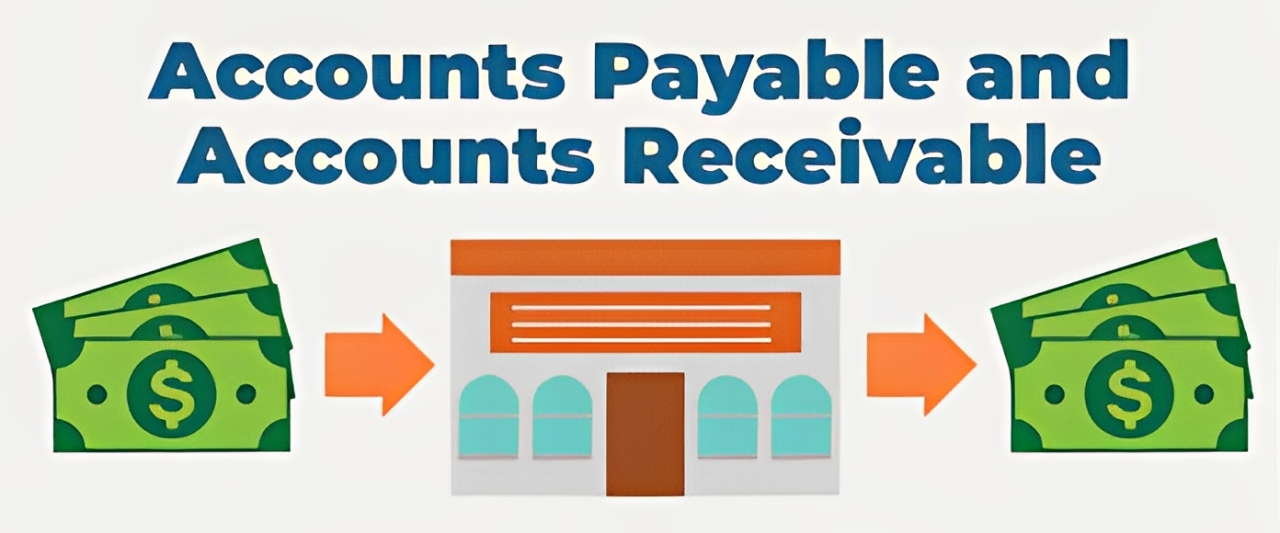
Top 10 Strategies to Optimize Your Accounts Payable and Receivable Processes
Managing accounts payable (AP) and accounts receivable (AR) can be a daunting task for businesses of any size. These critical financial processes ensure the smooth flow of money in and out of your business, impacting everything from your cash flow to your bottom line. However, if not properly optimized, they can lead to inefficiencies, delayed payments, and even errors in accounting. But don’t worry – with the right strategies, you can streamline these processes and boost your business’s financial health. In this article, we’ll dive deep into the top 10 strategies to optimize your accounts payable and receivable processes. Whether you’re a small business owner or part of a larger financial team, these tips will help you improve efficiency, reduce errors, and ultimately keep your cash flowing smoothly. Let’s jump in! 1. Automate Your Processes Why Automation is a Game Changer If you’re still relying on manual data entry or spreadsheets to manage your AP and AR, it’s time to embrace automation. Software tools can handle a lot of the heavy lifting, from generating invoices to tracking payments and sending reminders. Not only does automation save time, but it also reduces the risk of human error, which can be costly. AP Automation: Tools like QuickBooks or Xero automate invoice processing and approval workflows. AR Automation: Automated invoicing systems can send out reminders, helping you get paid faster and more consistently. Automation simplifies the process and ensures that you can focus on other strategic aspects of your business. Plus, it provides a much-needed safeguard against oversight or delayed payments. 2. Implement Efficient Invoice Management The Key to Getting Paid Faster An essential part of optimizing your accounts receivable process is streamlining your invoicing system. Delayed or poorly managed invoices can result in late payments or disputes, which can damage your cash flow. Set Clear Payment Terms: Always outline clear payment terms on your invoices, such as “net 30” or “due upon receipt,” to avoid confusion. Send Invoices Promptly: Don’t wait to send invoices. The sooner you send them, the sooner you’ll get paid! Track Your Invoices: Use a centralized invoicing system that can track which invoices are overdue and which are still pending. Software like FreshBooks or Zoho can handle this for you. By creating a system that ensures invoices are sent on time and tracked diligently, you’ll reduce the likelihood of missed payments. 3. Build Strong Relationships with Suppliers and Clients The Power of Communication While it might seem obvious, fostering positive relationships with both suppliers and clients can go a long way in optimizing your accounts payable and receivable. Clear communication helps prevent misunderstandings and keeps both sides aligned. Negotiate Terms: Establish payment terms with your suppliers and clients that are mutually beneficial. Having agreed-upon terms helps avoid late fees or delays. Maintain Open Channels: Regularly check in with suppliers to ensure timely deliveries and payments. Similarly, keep clients informed about any changes to your payment processes. Good relationships lead to trust, and trust makes financial negotiations smoother, leading to more efficient operations. 4. Use E-Payments for Faster Transactions The Fast and Secure Way to Pay and Get Paid In today’s digital world, paper checks are becoming a thing of the past. They’re slow, they can get lost, and they often lead to delayed payments. E-payments are quicker, more secure, and more efficient. Adopt Direct Transfers: Encourage clients to use bank transfers, credit cards, or payment systems like PayPal for quicker payments. Enable Recurring Payments: For clients with regular purchases, set up recurring billing to make payments automatic and hassle-free. By making payments digital, you’ll minimize delays and improve cash flow, leading to a more efficient AP and AR process. 5. Improve Your Collection Efforts Stay on Top of Late Payments When it comes to accounts receivable, one of the biggest challenges is collecting overdue payments. It’s essential to follow up on outstanding invoices promptly and professionally. Send Reminder Notices: Set automated reminders for clients before and after payment due dates. This can prevent late payments and improve cash flow. Create a Collection Policy: Establish a formal policy for handling late payments, including follow-up strategies and escalation procedures. By having a clear collection strategy, you reduce the likelihood of overdue payments and keep your cash flow steady. 6. Offer Discounts for Early Payments Sweeten the Deal for Clients Who doesn’t like a good deal? Offering a discount for early payments can be a great incentive for clients to settle invoices ahead of time. This strategy benefits both parties. 10% Discount for Early Payment: Offering a small percentage discount for payments made within a specified period (e.g., 10 days) can encourage clients to pay sooner. Loyalty Programs: For regular clients, you can set up a loyalty program offering incentives for consistent early payments. By offering discounts, you encourage faster payments while strengthening your business relationships. 7. Reconcile Your Accounts Regularly Keeping Things in Check Regular reconciliation of your accounts payable and receivable ensures that everything is in order and that there are no discrepancies between your records and what’s actually happening. Monthly Reconciliation: Set aside time each month to reconcile your AP and AR with your bank statements. Spot Errors Early: By regularly reviewing your accounts, you can catch any errors early and correct them before they become bigger issues. This proactive approach helps you stay organized and avoid costly mistakes down the line. 8. Optimize Your Credit Policies Reduce Risk, Improve Cash Flow Having a clear and efficient credit policy helps you minimize the risk of non-payment while keeping cash flow steady. Credit Limits: Set appropriate credit limits for clients based on their payment history or creditworthiness. Conduct Credit Checks: For new clients, always conduct a credit check to determine if they’re a good fit for credit terms. By fine-tuning your credit policies, you protect your business from unnecessary risks while maintaining healthy cash flow. 9. Centralize Your Financial Data One Dashboard for Everything A centralized dashboard that shows both your accounts payable and receivable in one place
Read More
Understanding Accounts Payable and Receivable: 5 Real-World Examples
In the realm of business finance, accounts payable (AP) and accounts receivable (AR) are fundamental concepts that play a pivotal role in maintaining a company’s financial health. A comprehensive understanding of these terms, coupled with practical examples, can provide valuable insights into effective financial management. Defining Accounts Payable and Accounts Receivable Accounts Payable represents the short-term liabilities a company owes to its suppliers or vendors for goods or services received on credit. These are obligations that the company needs to settle within a specified period to avoid default. For instance, if a business purchases raw materials from a supplier with an agreement to pay after 30 days, this amount is recorded as accounts payable until the payment is made. Accounts Receivable, on the other hand, denotes the money owed to a company by its customers for products or services delivered but not yet paid for. This is considered a current asset, as it is expected to be converted into cash within a short period. For example, when a company provides services to a client and issues an invoice payable within 60 days, the outstanding amount is recorded as accounts receivable until it is collected. The Interplay Between Accounts Payable and Accounts Receivable The efficient management of both AP and AR is crucial for sustaining a company’s liquidity and operational stability. While accounts payable management ensures that a company meets its obligations to suppliers and maintains good credit standing, effective accounts receivable management ensures timely collection of funds, which is vital for cash flow. Real-World Examples of Accounts Payable and Receivable To illustrate these concepts further, let’s explore five real-world scenarios: 1. Manufacturing Industry Accounts Payable Example: A car manufacturer purchases steel and other components from various suppliers to produce vehicles. The suppliers deliver the materials with payment terms of net 60 days. The amounts owed to these suppliers are recorded as accounts payable on the manufacturer’s balance sheet until the invoices are paid. Accounts Receivable Example: The same car manufacturer sells a fleet of vehicles to a dealership network. The dealerships receive the vehicles with an agreement to pay within 90 days. The amounts owed by the dealerships are recorded as accounts receivable on the manufacturer’s balance sheet until payment is received. 2. Retail Sector Accounts Payable Example: A clothing retailer orders apparel from a fashion designer for the upcoming season. The designer delivers the clothing with an invoice payable in 45 days. The retailer records this liability as accounts payable until the payment is made. Accounts Receivable Example: The retailer also offers a store credit card to its customers, allowing them to purchase items on credit. The outstanding balances that customers owe to the retailer are recorded as accounts receivable until the customers pay their credit card bills. 3. Service Industry Accounts Payable Example: A marketing agency hires freelance graphic designers to work on a client’s project. The freelancers submit their work along with invoices payable in 30 days. The agency records these amounts as accounts payable until the invoices are settled. Accounts Receivable Example: The same agency completes a marketing campaign for a client and issues an invoice with payment terms of net 60 days. The amount the client owes is recorded as accounts receivable until the payment is collected. 4. Healthcare Sector Accounts Payable Example: A hospital purchases medical supplies from a distributor with payment terms of 90 days. The hospital records the amount owed as accounts payable until it settles the invoice. Accounts Receivable Example: The hospital provides treatment to patients and bills their insurance companies. The amounts due from the insurers are recorded as accounts receivable until the payments are received. 5. Technology Industry Accounts Payable Example: A software development firm subscribes to various online tools and platforms to aid in development. The subscriptions are billed monthly, and the firm records these as accounts payable until the payments are made. Accounts Receivable Example: The firm develops custom software for a client and delivers the final product along with an invoice payable in 60 days. The amount owed by the client is recorded as accounts receivable until it is paid. Best Practices for Managing Accounts Payable and Receivable Effective management of AP and AR is essential for maintaining a healthy cash flow and ensuring the financial stability of a business. Here are some best practices: For Accounts Payable: Timely Payments: Ensure that all invoices are paid within the agreed-upon terms to maintain good relationships with suppliers and avoid late fees. Accurate Record-Keeping: Maintain detailed records of all payables to monitor outstanding obligations and manage cash flow effectively. Leverage Payment Terms: Take advantage of any early payment discounts offered by suppliers when possible, but also utilize the full payment period to optimize cash flow. For Accounts Receivable: Prompt Invoicing: Issue invoices immediately upon delivery of goods or services to expedite the payment process. Regular Follow-Ups: Implement a systematic approach to follow up on overdue accounts to reduce the risk of bad debts. Credit Assessments: Conduct thorough credit checks on new customers to assess their creditworthiness before extending credit terms. Conclusion A thorough understanding and effective management of accounts payable and accounts receivable are vital for the financial health of any business. By implementing best practices and learning from real-world examples, companies can optimize their cash flow, maintain strong relationships with suppliers and customers, and ensure long-term operational success. Frequently Asked Questions about Accounts Payable and Accounts Receivable 1. What is the difference between accounts payable and accounts receivable? Accounts payable (AP) refers to the amounts a company owes to its suppliers or vendors for goods and services received but not yet paid for. These are recorded as liabilities on the company’s balance sheet. Conversely, accounts receivable (AR) represents the amounts owed to the company by its customers for goods or services delivered but not yet paid for, and these are recorded as assets. Effectively managing both AP and AR is crucial for maintaining a company’s cash flow and financial health. 2. How does the accounts payable
Read More
Best Audit Solutions in US: Ensuring Compliance and Financial Accuracy
Businesses in the United States are constantly facing regulatory requirements and financial scrutiny, making audit solutions indispensable. Whether for compliance, fraud prevention, or operational efficiency, audit solutions in US provide organizations with critical insights and assurance. This article explores the importance of audits, types of audit solutions in US, and how businesses can choose the right auditing services for their needs. What Are Audit Solutions in US? Audit solutions in US refer to professional services that assess financial records, compliance processes, and internal controls. These solutions help businesses maintain transparency, detect discrepancies, and meet legal requirements. Companies in all industries, from healthcare to finance, rely on these audits to safeguard their interests. Importance of Audit Solutions in US Regulatory Compliance – Businesses must adhere to financial regulations such as GAAP, IFRS, and industry-specific compliance standards. Fraud Detection and Prevention – Audits help identify fraudulent activities, ensuring financial security. Operational Efficiency – Internal audits optimize business operations and resource utilization. Investor and Stakeholder Confidence – Transparent auditing enhances trust among investors, stakeholders, and customers. Tax Compliance – Proper audits ensure tax obligations are met without penalties or legal issues. Types of Audit Solutions in US 1. Financial Audits Financial audits assess the accuracy of a company’s financial statements. These audits ensure businesses comply with accounting standards and provide reliable financial data to stakeholders. 2. Internal Audits Internal audits evaluate a company’s internal controls, governance, and risk management. These audits improve operational efficiency and mitigate risks before external audits. 3. External Audits Conducted by independent firms, external audits validate the credibility of financial statements. They are crucial for public companies and those seeking investor confidence. 4. Tax Audits Tax audits ensure businesses comply with IRS regulations, minimizing tax liabilities and preventing legal repercussions. 5. Compliance Audits Industries like healthcare, finance, and IT require compliance audits to meet regulatory standards such as HIPAA, PCI DSS, and SOX. 6. Forensic Audits Forensic audits investigate fraud, embezzlement, and financial misconduct. They help businesses detect financial crimes and take corrective actions. 7. IT Audits IT audits assess cybersecurity, data protection policies, and IT governance to prevent breaches and ensure compliance with digital security laws. How to Choose the Right Audit Solutions in US 1. Identify Business Needs Determine whether you need financial, tax, internal, or compliance audits. 2. Select Certified Auditors Choose auditors accredited by recognized bodies like the AICPA or PCAOB. 3. Assess Experience in Your Industry Industry-specific experience ensures auditors understand compliance requirements and risks unique to your sector. 4. Review Audit Methodologies A firm’s audit approach should align with your company’s operational needs and compliance obligations. 5. Consider Technology Integration Modern audit solutions in US leverage AI, blockchain, and data analytics for more efficient audits. 6. Check Reputation and Reviews A credible audit firm with positive client testimonials is a reliable choice. Top Audit Firms Providing Audit Solutions in US Deloitte – Specializes in financial, IT, and forensic audits. PwC (PricewaterhouseCoopers) – Offers comprehensive audit and assurance services. KPMG – Known for risk management and compliance audits. Ernst & Young (EY) – Provides tax and financial audit solutions. Grant Thornton – Delivers personalized audit services for small and mid-sized businesses. Future Trends in Audit Solutions in US 1. AI and Automation in Audits Artificial intelligence streamlines audit processes, reducing manual errors and improving efficiency. 2. Blockchain for Transparency Blockchain technology ensures tamper-proof financial records, enhancing audit reliability. 3. Cloud-Based Audits Cloud solutions provide real-time data access, making audits more efficient and scalable. 4. Cybersecurity Audits on the Rise With increasing cyber threats, businesses prioritize IT and cybersecurity audits to protect sensitive data. 5. Regulatory Changes Impacting Audits Evolving regulations necessitate adaptive audit approaches to maintain compliance. Conclusion Audit solutions in US are crucial for businesses aiming to maintain financial integrity, regulatory compliance, and operational efficiency. With evolving regulations and digital transformations, companies must adopt modern audit solutions to stay ahead. Choosing the right audit firm and leveraging technological advancements can streamline auditing processes, enhance security, and boost business credibility. By integrating robust audit solutions in US, businesses can safeguard their financial future and build long-term success. Frequently Asked Questions (FAQs) 1. What are audit solutions in US? Audit solutions in US refer to professional services that assess financial records, internal controls, and compliance to ensure accuracy and regulatory adherence. 2. Why are audit solutions in US important? They ensure financial transparency, detect fraud, improve efficiency, and help businesses comply with legal and tax regulations. 3. How often should a business conduct an audit? Most businesses conduct annual audits, but internal audits may be quarterly or semi-annual, depending on the industry and risk factors. 4. What industries require audit solutions in US the most? Industries like finance, healthcare, IT, and publicly traded companies require frequent audits for compliance and risk management. 5. How do I choose the right audit firm? Look for firms with industry expertise, certifications, a strong reputation, and modern auditing technology. 6. What is the difference between internal and external audits? Internal audits are conducted by in-house teams or hired professionals for internal assessment, while external audits are performed by independent firms for public verification. 7. Are audit solutions in US expensive? Costs vary based on the complexity of the audit, company size, and industry requirements. However, audits prevent costly financial errors and legal issues. 8. What happens if a company fails an audit? Failing an audit may lead to financial penalties, loss of investor confidence, and legal repercussions. Corrective measures must be taken immediately. 9. Can small businesses benefit from audit solutions in US? Yes, audits help small businesses maintain financial accuracy, secure loans, and comply with tax laws. 10. What role does technology play in modern audit solutions in US? Advanced tools like AI, blockchain, and data analytics enhance audit efficiency, accuracy, and fraud detection capabilities. Conclusion Audit solutions in US are crucial for businesses aiming to maintain financial integrity, regulatory compliance, and operational efficiency. With evolving regulations and digital transformations, companies must adopt modern audit solutions to
Read More
better bookkeeping solutions
No one likes getting bogged down in numbers, but we all know that accurate bookkeeping is the backbone of any successful business. Whether you’re a startup or running an established enterprise, having better bookkeeping solutions can be the difference between chaos and clarity. But here’s the catch: managing your finances doesn’t have to be a tedious, time-consuming task. With the right tools, strategies, and practices in place, you can transform your bookkeeping from a burden into a breeze. And that’s exactly what we’re diving into today. So, if you’ve been feeling overwhelmed by invoices, receipts, and expenses, fear not. Let’s explore how adopting better bookkeeping solutions can help you regain control over your financial records and, ultimately, your business’s future. What Are Better Bookkeeping Solutions? Before we get into the nitty-gritty of the how’s and why’s, let’s first clarify what we mean by “better bookkeeping solutions.” At its core, better bookkeeping is about finding ways to manage your financial records more efficiently, accurately, and easily. It’s about making sure you’re keeping track of every penny, reducing errors, and freeing up time for you to focus on what really matters: growing your business. Better bookkeeping solutions can come in many forms. It might be as simple as adopting a new software tool, outsourcing to a professional, or overhauling your current practices to make everything run more smoothly. But no matter the approach, the goal remains the same: improving the way you handle your business finances so you can make smarter decisions and stay compliant with tax laws. Why You Need Better Bookkeeping Solutions Now that we’ve got a better understanding of what better bookkeeping solutions are, let’s talk about why they’re essential for your business. 1. Accuracy is Everything Let’s face it—mistakes in bookkeeping can be costly. If your records are inaccurate, you might overpay on taxes, miss out on valuable deductions, or make poor financial decisions. With better bookkeeping solutions, you can ensure your numbers are correct, avoiding costly errors that could put a strain on your business. 2. Time is Money Traditional bookkeeping methods—think piles of paper receipts and manually entering data into spreadsheets—are time-consuming. But with modern bookkeeping solutions, you can save precious time by automating repetitive tasks, organizing financial data more effectively, and reducing the chances of human error. 3. Tax Readiness Taxes. Everyone’s favorite subject, right? If you’ve ever waited until the last minute to gather your tax documents, you know how stressful and chaotic that can be. Better bookkeeping solutions make sure your books are always up to date, so when tax season rolls around, you’re prepared and ready to go. 4. Informed Decision-Making With clear, accurate financial records, you can make smarter, more informed business decisions. You’ll have a better sense of cash flow, profitability, and where you need to make adjustments. With better bookkeeping solutions, you get insights into your financial health at your fingertips. 5. Stress-Free Growth When your finances are organized and managed well, you can focus on growing your business instead of constantly worrying about whether you’re in the red. Better bookkeeping solutions give you peace of mind and the ability to scale up with confidence. Types of Better Bookkeeping Solutions When it comes to improving your bookkeeping system, there are a few key routes you can take. Let’s take a look at some of the best options available to you. 1. Cloud-Based Accounting Software Gone are the days of lugging around bulky ledgers or manually entering numbers into a spreadsheet. Today’s cloud-based accounting software makes it easier than ever to manage your books. Tools like QuickBooks, Xero, and FreshBooks allow you to track income and expenses, send invoices, generate reports, and even handle payroll—all from one central hub. The best part? These tools are accessible anywhere, anytime, meaning you don’t need to be tied to a desk to keep tabs on your finances. Cloud-based software often integrates with other tools like payment processors and banking apps, making it a seamless experience. 2. Bookkeeping Automation Tools Automation is a game-changer when it comes to better bookkeeping solutions. Tools like Receipt Bank or Expensify can automatically capture receipts, categorize expenses, and sync with your accounting software, saving you hours of data entry. Automation can also help with invoicing, expense tracking, and bank reconciliation, reducing manual work and human error. 3. Outsourcing to a Professional Sometimes, the best way to achieve better bookkeeping is to leave it to the experts. Outsourcing your bookkeeping to a professional or hiring a virtual bookkeeper can free up your time and ensure your finances are handled by someone with the knowledge and experience to do it right. Plus, they can help you with tax planning and provide valuable financial advice along the way. 4. Integrated Business Management Tools For larger businesses, an integrated system that combines bookkeeping with inventory, project management, and customer relationship management (CRM) might be the way to go. Tools like Zoho Books or NetSuite offer a complete suite of features designed to streamline all aspects of your business, including your financial management. Key Features to Look for in Better Bookkeeping Solutions If you’re considering upgrading your bookkeeping practices, there are a few key features you should prioritize. Look for solutions that offer: User-Friendly Interface: You don’t want to waste time trying to figure out complicated software. Choose a solution that’s intuitive and easy to use. Real-Time Data Syncing: Make sure your bookkeeping software can sync with your bank account and credit cards, ensuring your records are always up to date. Customizable Reporting: Look for tools that allow you to generate customized reports so you can analyze the financial data that matters most to your business. Automated Features: The more tasks you can automate, the less time you’ll spend doing manual work. Features like invoice generation, recurring billing, and expense categorization can save you hours each month. Security: Your financial data is sensitive, so make sure your bookkeeping solution offers strong security features, like encryption and two-factor authentication, to protect your information.
Read More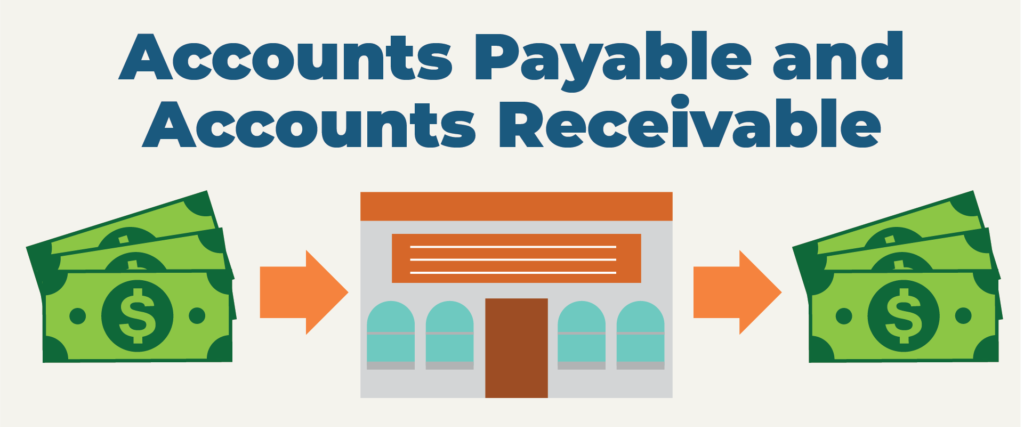
Why Your Business Needs Account Receivable and Payables Service in the US
In today’s fast-paced business world, managing finances efficiently is critical to success. Two of the most important financial processes are accounts receivable (AR) and accounts payable (AP). Many businesses in the United States turn to Account Receivable and Payables service in the US to streamline these operations, improve cash flow, and reduce errors. This blog explores the significance, benefits, and features of Account Receivable and Payables service in the US, along with frequently asked questions (FAQs) to help businesses make informed decisions. What is Account Receivable and Payables Service? Accounts Receivable (AR): Accounts receivable refers to the money owed to a business by its customers for products or services rendered. It represents outstanding invoices or credit sales that need to be collected. Proper management of AR ensures a steady cash flow and reduces the risk of bad debts. Accounts Payable (AP): Accounts payable refers to the money a business owes to its suppliers, vendors, or creditors. It includes bills, invoices, and other financial obligations that must be paid on time. Effective AP management ensures strong supplier relationships and prevents late payment penalties. Why Do Businesses Need Account Receivable and Payables Service in the US? Many businesses, whether small, medium, or large, struggle with maintaining an efficient AR and AP system. Here are some reasons why outsourcing Account Receivable and Payables service in the US is beneficial: Improved Cash Flow Management Reduction in Financial Errors Better Compliance with Regulations Enhanced Vendor and Customer Relationships Access to Advanced Automation Tools Benefits of Using Account Receivable and Payables Service in the US 1. Increased Efficiency and Accuracy Manual handling of AR and AP can lead to errors. Automated solutions provided by Account Receivable and Payables service in the US reduce mistakes, ensuring timely and accurate transactions. 2. Cost Savings Outsourcing AR and AP services can help businesses save on staffing, training, and software costs. Companies only pay for the services they need, making it a cost-effective solution. 3. Better Cash Flow Control With professional AR and AP management, businesses can ensure invoices are paid and collected on time, preventing cash flow issues. 4. Fraud Prevention A well-managed AR and AP process reduces the risk of fraudulent activities by implementing strict financial controls and monitoring systems. 5. Regulatory Compliance Staying compliant with financial regulations is crucial. Professional Account Receivable and Payables service in the US ensures that businesses follow GAAP (Generally Accepted Accounting Principles) and IRS regulations. 6. Time Savings Managing AR and AP internally can be time-consuming. Outsourcing allows businesses to focus on core operations, leading to overall growth. How to Choose the Right Account Receivable and Payables Service in the US 1. Industry Expertise Choose a service provider with experience in your industry to ensure they understand your financial needs. 2. Automation and Technology Modern AR and AP services use automation and AI-based solutions for better efficiency. Look for providers that offer integrated software solutions. 3. Compliance and Security Ensure the service provider follows all regulatory requirements and has robust security measures in place to protect financial data. 4. Customization Options Every business is unique. Opt for a service provider that offers customizable solutions tailored to your company’s specific needs. 5. Customer Support Reliable customer service is crucial. Choose a provider with responsive support to address any issues promptly. Features of an Ideal Account Receivable and Payables Service in the US Automated Invoicing and Billing Real-Time Payment Processing Financial Reporting and Analytics Integration with Accounting Software Fraud Detection and Prevention Tools Dedicated Support Team Regulatory Compliance Management Common Challenges in Managing AR and AP 1. Delayed Payments Late payments can disrupt cash flow and lead to financial instability. 2. Invoice Discrepancies Errors in invoices can cause disputes and payment delays. 3. Manual Processing Errors Data entry mistakes can result in incorrect transactions and financial losses. 4. Security Risks Fraud and data breaches are a growing concern for businesses handling financial transactions manually. 5. Compliance Issues Failure to comply with tax laws and financial regulations can lead to legal troubles. By outsourcing Account Receivable and Payables service in the US, businesses can overcome these challenges efficiently. FAQs on Account Receivable and Payables Service in the US 1. What is the importance of AR and AP in business? Accounts receivable and payable are crucial for maintaining cash flow, managing debts, and ensuring smooth financial operations. 2. How does outsourcing AR and AP services benefit businesses? Outsourcing improves efficiency, reduces errors, enhances compliance, and saves costs by utilizing professional expertise and automation tools. 3. How do AR and AP services improve cash flow? They ensure timely collection of receivables and prompt payment of payables, preventing cash shortages and maintaining financial stability. 4. What industries benefit most from AR and AP services? All industries, including healthcare, retail, manufacturing, and finance, benefit from AR and AP services to streamline financial operations. 5. Are AR and AP services secure? Yes, reputable service providers use encryption, fraud detection tools, and compliance measures to secure financial transactions. 6. Can small businesses afford AR and AP services? Yes, many providers offer scalable and affordable solutions tailored to small businesses’ financial needs. 7. How do AR and AP services integrate with existing accounting software? Most services offer seamless integration with popular accounting platforms like QuickBooks, Xero, and SAP. 8. What are the risks of poor AR and AP management? Poor management can lead to cash flow issues, late payments, compliance violations, and financial losses. 9. What should businesses look for in an AR and AP service provider? Experience, automation capabilities, security measures, compliance adherence, and responsive customer support are key factors. 10. How can businesses optimize their AR and AP processes? Using automation, setting clear payment terms, monitoring transactions regularly, and outsourcing to experts can optimize these processes. Conclusion Managing accounts receivable and payable is vital for business success. Account Receivable and Payables service in the US helps businesses automate financial processes, improve cash flow, enhance accuracy, and ensure compliance. By choosing the right service provider, businesses can focus on growth
Read More
Account Receivable and Payables Service in US: Everything You Need to Know
Efficient Account Receivable and Payables service in US is essential for businesses to maintain healthy cash flow and financial stability. Companies must manage their incoming and outgoing payments efficiently to avoid liquidity issues and sustain growth. In this blog, we will explore the importance of Account Receivable and Payables service in US, their benefits, how they work, and why businesses should consider outsourcing these services. What is Accounts Receivable and Payables Service? Accounts Receivable (AR) Accounts receivable (AR) refers to the money that customers owe a company for goods or services delivered but not yet paid for. Managing AR effectively ensures timely payments and reduces bad debts. Accounts Payable (AP) Accounts payable (AP) represents the money a company owes to its suppliers and vendors. Managing AP properly helps businesses maintain good relationships with suppliers and avoid late fees or penalties. Importance of Account Receivable and Payables Service in US Cash Flow Management – Proper management of AR and AP ensures a steady cash flow, helping businesses meet their financial obligations. Improved Business Relationships – Timely payments to vendors and proper collection from clients build trust and long-term relationships. Reduced Administrative Costs – Outsourcing Account Receivable and Payables service in US helps businesses save on administrative expenses. Compliance and Accuracy – Professional financial services ensure compliance with tax laws and prevent errors in financial transactions. Risk Reduction – Effective AR and AP management minimize financial risks and bad debts. How Account Receivable and Payables Service in US Works 1. Accounts Receivable Process Invoice Generation – Businesses generate invoices for clients. Payment Tracking – AR services track pending payments. Follow-ups and Reminders – Businesses send payment reminders to clients. Collection Management – Payment is collected and recorded. Reconciliation – Ensures all transactions match financial records. 2. Accounts Payable Process Invoice Processing – Businesses receive invoices from suppliers. Approval Workflow – Invoices are reviewed and approved. Payment Scheduling – Payments are scheduled to avoid delays. Vendor Communication – Ensures smooth coordination with suppliers. Record Keeping – Maintains accurate financial records. Benefits of Outsourcing Account Receivable and Payables Service in US 1. Time and Cost Efficiency Outsourcing Account Receivable and Payables service in US reduces the need for in-house accounting teams, cutting down costs and improving efficiency. 2. Improved Cash Flow Professional service providers ensure timely collections and payments, reducing financial strain on businesses. 3. Access to Advanced Technology Third-party AR and AP service providers use the latest accounting software to automate and streamline financial transactions. 4. Regulatory Compliance Ensures adherence to US tax laws and accounting standards, reducing legal risks. 5. Enhanced Accuracy Minimizes errors in financial transactions, ensuring accurate records and reporting. How to Choose the Best Account Receivable and Payables Service in US Experience and Reputation – Look for providers with proven expertise in AR and AP services. Technology Integration – Ensure they use reliable accounting software. Compliance and Security – Verify their adherence to regulatory standards. Cost-Effectiveness – Compare pricing and service quality. Customization – Choose a provider offering tailored financial solutions. Top Industries Benefiting from Account Receivable and Payables Service in US Retail and E-commerce – Manages high transaction volumes efficiently. Healthcare – Ensures accurate billing and insurance payments. Manufacturing – Streamlines supplier payments and order processing. Real Estate – Helps manage rental payments and vendor contracts. Hospitality – Tracks guest payments and vendor invoices effectively. Common Challenges in Managing AR and AP 1. Late Payments Clients delaying payments affect cash flow, leading to financial strain. 2. Invoice Errors Incorrect invoices cause disputes and payment delays. 3. Regulatory Compliance Issues Non-compliance can lead to penalties and legal challenges. 4. Fraud Risks Without proper monitoring, businesses may face financial fraud. 5. Vendor Relationship Strain Delayed payments can damage business relationships. Best Practices for Effective Account Receivable and Payables Management Automate AR and AP Processes – Use accounting software for streamlined financial management. Set Clear Payment Terms – Define due dates and penalties for late payments. Monitor Cash Flow Regularly – Keep track of financial health with regular reviews. Outsource to Experts – Partner with professional AR and AP service providers. Implement Fraud Prevention Measures – Conduct regular audits and verifications. Conclusion Effective Account Receivable and Payables service in US is crucial for businesses to maintain financial stability, improve cash flow, and ensure compliance. Outsourcing these services helps companies focus on growth while experts handle financial transactions efficiently. By leveraging technology and best practices, businesses can streamline AR and AP management and achieve long-term success. If you’re looking for a reliable Account Receivable and Payables service in US, consider partnering with a professional financial service provider today! FAQs on Account Receivable and Payables Service in US 1. What is the difference between accounts receivable and accounts payable? Accounts receivable refers to money owed to a business by clients, while accounts payable refers to money a business owes to suppliers. 2. Why should businesses outsource Account Receivable and Payables service in US? Outsourcing improves efficiency, reduces costs, enhances compliance, and ensures accurate financial management. 3. How can businesses improve their AR and AP processes? Businesses can automate invoice processing, set clear payment terms, and outsource services for better efficiency. 4. What software is used for managing accounts receivable and payable? Popular software includes QuickBooks, Xero, FreshBooks, and SAP. 5. How does AR and AP management affect business cash flow? Efficient AR and AP management ensures timely collections and payments, maintaining a healthy cash flow. 6. What industries benefit the most from Account Receivable and Payables service in US? Retail, healthcare, manufacturing, real estate, and hospitality sectors benefit significantly. 7. How do service providers ensure compliance with financial regulations? They follow GAAP standards, conduct audits, and use secure payment processing methods. 8. Can small businesses afford outsourcing AR and AP services? Yes, many providers offer affordable solutions tailored to small businesses. 9. How can companies prevent fraud in AR and AP management? By implementing automated systems, conducting audits, and following strict security protocols. 10. What happens if a business fails to
Read More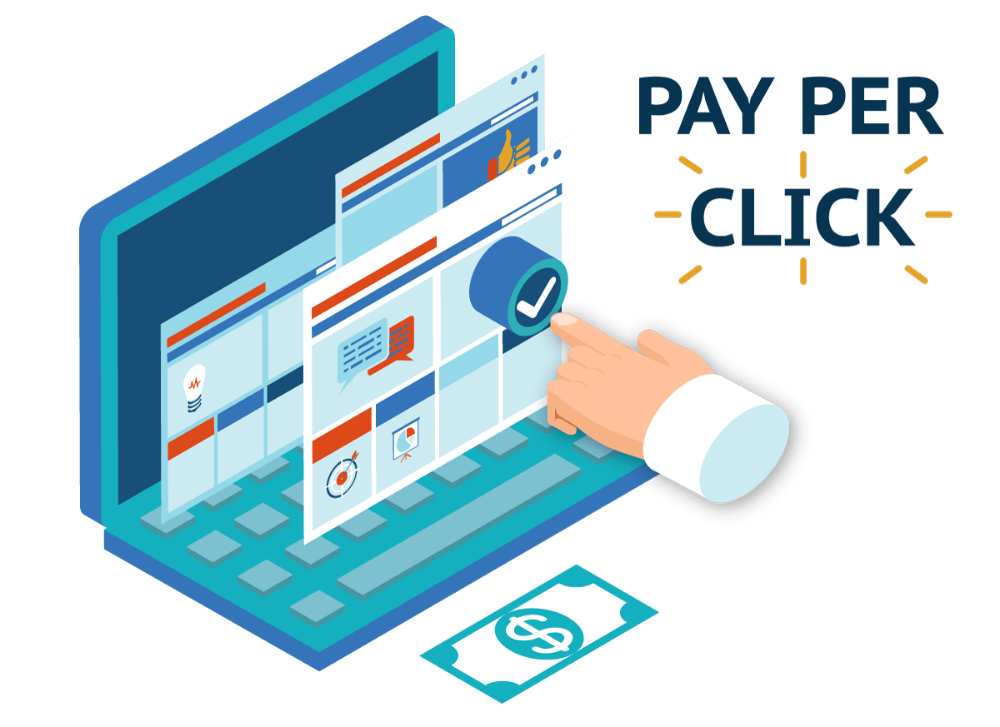
The Ultimate Guide to PPC Service: Boost Your Business with Paid Advertising
In the modern digital landscape, businesses are constantly looking for ways to enhance their online presence. One of the most effective strategies for achieving this is through PPC service. Whether you are a small business owner or a large enterprise, PPC service can help you drive traffic, generate leads, and increase sales. In this comprehensive guide, we will explore everything you need to know about PPC service, including its benefits, strategies, and best practices. What is PPC Service? PPC service, or Pay-Per-Click advertising, is an online marketing strategy where advertisers pay a fee each time their ad is clicked. This form of advertising allows businesses to bid for ad placement in a search engine’s sponsored links when someone searches for a keyword related to their business. Popular PPC service platforms include Google Ads, Bing Ads, Facebook Ads, and LinkedIn Ads. These platforms help businesses target specific audiences, ensuring that their ads are shown to the right people at the right time. Benefits of PPC Service Instant Traffic: Unlike organic SEO, which takes time to show results, PPC service provides immediate traffic to your website. Targeted Advertising: PPC allows you to target specific demographics, locations, and user behaviors. Cost-Effective: Since you only pay when someone clicks on your ad, you can control your budget efficiently. Measurable Results: PPC service platforms provide analytics and data to track your campaign’s performance. Brand Visibility: Even if users don’t click, your brand gains visibility through ad impressions. Remarketing Opportunities: PPC helps you retarget potential customers who have previously visited your website. How PPC Service Works Keyword Research: Identify high-performing keywords that align with your business goals. Ad Creation: Develop compelling ad copy with clear CTAs (Call-To-Actions). Landing Page Optimization: Ensure that your landing pages are optimized for conversions. Bidding Strategy: Set your budget and choose a bidding strategy that aligns with your goals. Campaign Monitoring: Continuously track and analyze your campaign’s performance. Adjust and Optimize: Refine your strategy based on performance metrics. Key PPC Service Strategies 1. Search Advertising Search ads appear on search engine results pages (SERPs). Google Ads is the most popular platform for search advertising. Effective PPC service in search advertising requires proper keyword research and ad optimization. 2. Display Advertising Display ads are visual advertisements that appear on websites, social media, and mobile apps. They are great for brand awareness and retargeting. 3. Social Media Advertising Platforms like Facebook, Instagram, LinkedIn, and Twitter offer PPC service for targeted audience engagement. Social ads allow businesses to reach specific demographics based on interests, behaviors, and location. 4. Remarketing Campaigns Remarketing involves showing ads to users who have previously visited your website. This strategy helps to convert visitors who didn’t make a purchase the first time. 5. Shopping Ads E-commerce businesses benefit from shopping ads, which display product images, prices, and descriptions directly in search results. 6. Local PPC Advertising For businesses that operate in specific geographical areas, local PPC service ensures that ads are shown to users within a targeted location. Best Practices for PPC Service Use High-Performing Keywords: Conduct thorough keyword research and use long-tail keywords for better targeting. Write Compelling Ad Copy: Your ad copy should be engaging, clear, and action-driven. Optimize Landing Pages: Ensure that your landing pages are fast, user-friendly, and conversion-optimized. A/B Testing: Test different versions of your ads to determine which performs best. Monitor Metrics: Keep track of CTR (Click-Through Rate), CPC (Cost-Per-Click), and ROI (Return on Investment). Use Negative Keywords: Exclude irrelevant keywords to avoid wasting your ad budget. Optimize for Mobile Users: Ensure that your ads and landing pages are mobile-friendly. Leverage Ad Extensions: Use ad extensions to provide additional information and increase click rates. Common Mistakes to Avoid in PPC Service Ignoring Negative Keywords: Not filtering out irrelevant searches can drain your budget. Not Testing Ad Variations: A/B testing is essential for improving campaign performance. Ignoring Landing Page Optimization: A poorly optimized landing page can lead to high bounce rates. Setting and Forgetting Campaigns: Continuous monitoring and adjustments are necessary for success. Poor Bidding Strategy: Overbidding or underbidding can affect your campaign performance. Conclusion Investing in PPC service is one of the smartest decisions a business can make to enhance its online presence. Whether you’re aiming for lead generation, brand awareness, or increased sales, PPC service offers a cost-effective and measurable way to achieve your goals. By following best practices, avoiding common mistakes, and continuously optimizing your campaigns, you can maximize your ROI and drive sustainable growth. If you’re ready to leverage PPC service for your business, start by conducting thorough research, setting clear goals, and working with professionals to craft high-performing campaigns. The digital landscape is competitive, but with the right PPC service strategy, your business can stand out and thrive. FAQs About PPC Service 1. What is the difference between PPC and SEO? PPC is a paid advertising method where businesses pay for clicks, whereas SEO focuses on organic rankings and does not require direct payment for traffic. 2. How much does PPC service cost? The cost of PPC service varies depending on factors like industry competition, keyword selection, and bidding strategy. Some industries have higher CPC rates than others. 3. How long does it take to see results with PPC? Unlike SEO, which takes months, PPC service delivers results almost immediately after launching a campaign. 4. Which platforms are best for PPC service? Google Ads, Bing Ads, Facebook Ads, LinkedIn Ads, and Instagram Ads are popular platforms for PPC service. 5. How can I improve my PPC campaign performance? Optimize your keywords, write compelling ad copy, test different ad variations, monitor analytics, and refine your bidding strategy. 6. What is a good CTR for PPC campaigns? A good CTR varies by industry, but generally, a CTR above 2% is considered strong. 7. Should small businesses invest in PPC service? Yes, PPC service is beneficial for small businesses as it provides instant visibility and helps generate leads. 8. Can PPC service help with brand awareness? Yes, PPC service helps increase brand
Read More