The Power of Compound Interest: How to Grow Your Wealth Over Time
Compound interest is one of the most powerful financial principles that can accelerate wealth accumulation. Unlike simple interest, which is calculated only on the initial principal, compound interest generates returns on both the principal and the accumulated interest. Over time, this creates an exponential growth effect, making it a cornerstone of long-term investment strategies. How Compound Interest Works At its core, compound interest follows a straightforward formula: Where: A = Final amount after interest P = Initial principal r = Annual interest rate (decimal form) n = Number of times interest is compounded per year t = Number of years Even a modest initial investment can grow substantially over time due to the effects of compounding frequency and duration. The earlier you start, the greater the results. The Impact of Time on Compound Growth Time is the single most critical factor in maximizing the power of compound interest. The longer your money remains invested, the more significant the compounding effect becomes. Consider the following example: Investor A starts investing at 25 years old, contributing $200 per month at a 7% annual return, compounded monthly. By age 65, their investment grows to over $524,000. Investor B starts investing the same amount but at 35. By 65, their savings amount to just $245,000. This stark difference highlights why starting early and staying invested is crucial to wealth accumulation. Monthly Contributions and Their Effect on Growth Regular contributions amplify the effects of compound interest. By consistently adding funds, investors increase the principal, which in turn generates more interest. Consider these two scenarios: A one-time $10,000 investment at a 6% return for 30 years results in approximately $57,435. Investing $100 per month for 30 years at 6% interest grows to $100,451. The second approach highlights the power of dollar-cost averaging, where consistent investments benefit from market fluctuations and long-term growth trends. The Role of Interest Rate in Wealth Accumulation The interest rate significantly impacts the growth of investments. A small percentage increase can yield a dramatically larger final sum. Consider the following comparison for a $10,000 investment over 40 years: At 4% interest, the final amount is $48,010. At 6% interest, the final amount is $102,857. At 8% interest, the final amount is $217,245. This demonstrates that securing a higher rate of return through diversified investments—such as index funds, real estate, or dividend stocks—can drastically enhance wealth accumulation. Compounding Frequency: Monthly vs. Annual Interest The frequency at which interest compounds also affects the total return. Investments compounded monthly yield higher returns than those compounded annually. Here’s how a $10,000 investment at 6% annual interest performs under different compounding frequencies: Annual compounding: $32,071 after 30 years. Quarterly compounding: $32,448 after 30 years. Monthly compounding: $32,678 after 30 years. While the differences may appear small, over decades, they translate into thousands of dollars in additional earnings. Maximizing Compound Interest Through Smart Investment Strategies 1. Start Investing Early The earlier you begin, the more time your investments have to grow. Even small contributions in your 20s can surpass larger contributions started in your 30s or 40s. 2. Choose Investments With Higher Returns Consider allocating funds into stocks, ETFs, or mutual funds with historically higher returns rather than settling for low-yield savings accounts. 3. Automate Your Contributions Setting up automatic investments ensures consistency and eliminates the temptation to spend rather than save. 4. Reinvest Your Earnings Always reinvest dividends and interest to benefit from compounding acceleration. 5. Avoid Withdrawing Early Withdrawing funds disrupts the compounding process. Consider tax-advantaged accounts like 401(k)s and IRAs to maximize long-term growth. The Best Investment Vehicles for Compounding Wealth Several financial instruments offer strong compounding potential: Stock Market Index Funds: Long-term annual returns average 7-10%. Real Estate: Rental properties generate passive income that compounds through reinvestment. Dividend Stocks: Reinvesting dividends accelerates compounding. Retirement Accounts (401(k), IRA): Tax advantages enhance long-term returns. Final Thoughts: Take Advantage of Compound Interest Today The power of compound interest lies in its ability to turn modest investments into substantial wealth over time. The key is starting early, staying consistent, and maximizing returns through smart investment choices. Whether you’re a beginner or an experienced investor, leveraging compound interest is one of the most effective ways to secure financial freedom. faq’s 1. What is compound interest, and how does it differ from simple interest? Compound interest is the process where interest is earned not only on the initial principal but also on the accumulated interest from previous periods. This leads to exponential growth over time. Simple interest, on the other hand, is calculated only on the original principal amount. It does not compound over time, meaning growth is linear rather than exponential. Example: Simple Interest Formula: A=P(1+rt)A = P(1 + rt)A=P(1+rt) Compound Interest Formula: A=P(1+r/n)ntA = P(1 + r/n)^{nt}A=P(1+r/n)nt Where: AAA = Final amount PPP = Principal rrr = Interest rate nnn = Number of times interest is compounded per year ttt = Time in years 2. Why is starting early important when leveraging compound interest for wealth growth? Starting early allows more time for interest to compound, leading to significantly higher returns due to exponential growth. The longer your money is invested, the greater the effect of compounding. Example: If you invest $1,000 at 8% interest, compounded annually: After 10 years → $2,159 After 20 years → $4,661 After 40 years → $21,725 A person who starts investing at 20 versus 40 will see dramatically different results, even with the same contribution amounts. 3. How does the frequency of compounding (daily, monthly, annually) impact investment returns? The more frequently interest is compounded, the faster the money grows. Annual Compounding → Interest is added once per year. Monthly Compounding → Interest is added 12 times per year. Daily Compounding → Interest is added 365 times per year. Example: Investing $10,000 at 5% interest over 20 years: Annually compounded → $26,532 Monthly compounded → $27,126 Daily compounded → $27,182 While the differences may seem small, over decades, the effect becomes more pronounced. 4. What types of investment accounts best
Read More
Smart Budgeting: How to Take Control of Your Finances
Managing personal finances effectively requires smart budgeting strategies that adapt to changing economic conditions. In 2025, financial stability depends on a combination of proactive planning, disciplined spending, and strategic saving. By implementing a well-structured budget, we can ensure long-term financial success while still enjoying life’s essentials. Understanding the Importance of Budgeting A well-planned budget serves as a roadmap to financial security. It helps us track income, expenses, and savings while providing clarity on how money is spent. Budgeting is not about restriction—it’s about financial freedom and control. The Core Elements of a Smart Budget Income Assessment – Identify all sources of income, including salaries, investments, and side hustles. Expense Categorization – Divide expenses into essentials (housing, food, utilities) and non-essentials (entertainment, luxury items). Debt Management – Allocate funds to pay off high-interest debt to reduce financial strain. Savings & Investments – Set aside money for emergency funds, retirement accounts, and other investments. Tracking & Adjustments – Regularly monitor spending patterns and adjust the budget as needed. How to Build a Practical Budget in 2025 1. Calculate Your Monthly Income Start by determining your net income—the amount you take home after taxes and deductions. If you have multiple income streams, account for each to get a clear financial picture. 2. Identify Fixed and Variable Expenses Fixed Expenses – Mortgage/rent, insurance, loans, and subscriptions. Variable Expenses – Groceries, entertainment, shopping, and discretionary spending. Listing out all expenses allows us to understand where adjustments can be made. 3. Implement the 50/30/20 Rule A popular budgeting method, the 50/30/20 rule divides income into three categories: 50% for Needs – Rent, food, utilities, and essential transportation. 30% for Wants – Dining out, entertainment, vacations, and hobbies. 20% for Savings & Debt Repayment – Emergency funds, retirement, and paying down debt. Smart Spending Habits for a Sustainable Budget 1. Track Expenses with Budgeting Apps Apps like Mint, YNAB (You Need a Budget), and PocketGuard offer real-time tracking, spending insights, and automatic categorization to help us stay on track. 2. Cut Unnecessary Expenses Cancel unused subscriptions – Review monthly statements for forgotten services. Opt for cost-effective alternatives – Cook meals at home instead of dining out. Limit impulse purchases – Wait 24 hours before making non-essential buys. 3. Negotiate Bills and Expenses Many service providers allow negotiations on bills like cable, internet, and insurance. A simple phone call can lead to significant savings. Building a Strong Emergency Fund An emergency fund is essential for financial security. Aim to save at least three to six months’ worth of living expenses to cover unexpected events such as medical emergencies or job loss. Tips to Grow an Emergency Fund Automate Savings – Set up automatic transfers to a separate savings account. Use Windfalls Wisely – Allocate tax refunds, bonuses, and extra income to savings. Reduce Unnecessary Spending – Redirect savings from non-essential expenses to the emergency fund. Strategic Debt Management Debt can be a major roadblock to financial stability. Implementing effective repayment strategies can help regain control. 1. Prioritize High-Interest Debt First The avalanche method focuses on paying off debts with the highest interest rates first, minimizing long-term costs. 2. Consider the Snowball Method for Motivation The snowball method involves paying off the smallest debts first, creating momentum and a sense of accomplishment. 3. Consolidate Debt if Necessary Debt consolidation can simplify repayment by combining multiple debts into one loan with a lower interest rate. Smart Investment Strategies for 2025 1. Maximize Retirement Contributions Contributing to 401(k) plans, IRAs, or Roth IRAs ensures long-term financial growth. Take advantage of employer-matching contributions where available. 2. Diversify Investments Stocks and Bonds – Balance between high-risk and stable investments. Real Estate – Investing in property can provide passive income. Index Funds and ETFs – Low-cost, diversified investment options for steady growth. 3. Automate Investing for Consistency Set up automatic investments in stocks, mutual funds, or retirement accounts to build wealth over time. Reducing Financial Stress with Proactive Planning 1. Set Realistic Financial Goals Define short-term, mid-term, and long-term financial objectives to stay motivated and on track. 2. Schedule Regular Financial Reviews Review budgets monthly or quarterly to make necessary adjustments and ensure progress toward financial goals. 3. Increase Financial Literacy Stay informed on personal finance trends, tax strategies, and investment opportunities through books, courses, and expert insights. Final Thoughts: Achieve Financial Freedom in 2025 Mastering smart budgeting in 2025 requires a proactive approach. By setting a clear budget, cutting unnecessary expenses, prioritizing savings, and investing wisely, we can build a secure financial future. Discipline, adaptability, and knowledg****e are the keys to financial success. Start budgeting smarter today to take control of your finances and achieve your financial goals. Faq’s 1. What are the most effective budgeting methods to manage personal finances in 2025? 50/30/20 Rule: Allocate 50% of income to needs, 30% to wants, and 20% to savings/debt repayment. Zero-Based Budgeting: Assign every dollar a purpose to maximize financial control. Envelope System: Use digital or physical envelopes for different spending categories to prevent overspending. Reverse Budgeting: Prioritize saving and investing first, then budget the remainder for expenses. AI-Driven Budgeting: Use AI-powered apps that analyze spending habits and suggest personalized budgets. 2. How can I track and reduce unnecessary expenses to improve my savings? Automate Expense Tracking: Use apps like Mint, YNAB, or PocketGuard to categorize spending. Identify Subscription Waste: Cancel unused subscriptions with services like Trim or Rocket Money. Reduce Impulse Purchases: Implement a 48-hour rule before buying non-essential items. Negotiate Bills: Contact service providers to lower internet, insurance, or phone bills. Use Cashback & Discount Apps: Leverage apps like Rakuten and Honey for discounts and rewards. 3. What are the best budgeting apps or tools available in 2025? YNAB (You Need A Budget) – Ideal for zero-based budgeting. Mint by Intuit – Comprehensive spending tracking with AI insights. PocketGuard – Helps prevent overspending by showing what’s safe to spend. Goodbudget – Digital envelope budgeting system. Monarch Money – Advanced financial planning with real-time data synchronization. 4. How can I create a
Read More
Top 10 Budgeting Hacks to Save More Money Every Month
Managing finances effectively is essential for long-term financial stability. Implementing smart budgeting strategies allows us to optimize our income and build a secure future. Below are ten powerful budgeting hacks designed to help us save more money each month. 1. Automate Savings for Effortless Wealth Growth Setting up automatic transfers to a savings account ensures that we consistently set aside money without relying on self-discipline. By scheduling transfers on payday, we prioritize saving before spending. High-yield savings accounts further maximize our savings with compound interest. 2. Implement the 50/30/20 Rule for Balanced Budgeting A structured budget prevents overspending and guarantees financial security. The 50/30/20 rule divides income as follows: 50% for necessities (rent, utilities, groceries, insurance) 30% for discretionary spending (entertainment, dining out, hobbies) 20% for savings and debt repayment This method provides clarity and control over monthly finances. 3. Track Every Expense to Identify Savings Opportunities Small, unnoticed expenses add up quickly. Utilizing budgeting apps like Mint, YNAB, or PocketGuard allows us to categorize and analyze spending patterns. Reviewing transactions reveals unnecessary expenditures, empowering us to make smarter choices. 4. Negotiate Bills and Lower Fixed Expenses Many service providers offer discounts to retain customers. Negotiating lower rates for internet, phone, insurance, and subscriptions can significantly cut monthly costs. Additionally, comparing providers annually ensures we secure the best deals available. 5. Meal Plan and Cook at Home to Cut Food Costs Eating out frequently drains finances quickly. By planning meals and cooking at home, we can save hundreds of dollars per month. Buying groceries in bulk, preparing meals in advance, and utilizing leftovers reduces food waste and maximizes savings. 6. Use the Envelope System for Controlled Spending For those who struggle with overspending, the cash envelope method is a game-changer. This system involves allocating a fixed amount of cash to categories such as groceries, entertainment, and dining out. Once an envelope is empty, spending in that category must stop. 7. Take Advantage of Cashback and Rewards Programs Leveraging cashback credit cards, rebate apps, and loyalty programs provides savings on everyday purchases. Services like Rakuten, Ibotta, and Honey help us earn cash or discounts on essential expenses. However, it’s crucial to pay credit card balances in full each month to avoid interest charges. 8. Cut Unnecessary Subscriptions and Memberships Subscription services can quickly accumulate and become a major expense. Reviewing monthly statements and canceling unused memberships—such as streaming services, gym subscriptions, and software trials—frees up more money for savings. 9. Buy Generic and Shop Smart for Essentials Brand-name products often have cheaper, high-quality generic alternatives. Whether it’s medication, groceries, or household items, opting for store brands can result in substantial savings over time. Additionally, using price comparison tools ensures we get the best deals. 10. Set Financial Goals and Stay Accountable Defining clear financial goals provides motivation and direction. Whether it’s building an emergency fund, saving for a vacation, or paying off debt, having tangible objectives keeps us on track. Partnering with a friend or using goal-setting apps enhances accountability and consistency. Final Thoughts Implementing these budgeting hacks consistently leads to financial independence and long-term wealth. By automating savings, tracking expenses, negotiating bills, and cutting unnecessary costs, we gain control over our money and secure a stable financial future. Start applying these strategies today to maximize savings every month. Faq’s Top 10 Budgeting Hacks to Save More Money Every Month 1. What are the most effective budgeting hacks to reduce monthly expenses? Follow the 50/30/20 rule (50% needs, 30% wants, 20% savings). Use zero-based budgeting, where every dollar has a purpose. Cut unnecessary subscriptions and negotiate bills. Use cash instead of credit for discretionary spending. 2. How can I create a realistic budget that helps me save more money each month? Track your income and expenses for a month to understand spending patterns. Categorize expenses and set spending limits. Set SMART financial goals (Specific, Measurable, Achievable, Relevant, Time-bound). Adjust your budget as needed based on real-life changes. 3. What are the best ways to track my spending and identify areas to cut costs? Use budgeting apps like Mint, YNAB, or EveryDollar. Review bank and credit card statements monthly. Set spending alerts for specific categories. Analyze daily purchases and eliminate impulse buys. 4. How can I lower my utility bills without sacrificing comfort? Use energy-efficient appliances and LED bulbs. Unplug electronics when not in use. Wash clothes in cold water and air dry when possible. Set the thermostat a few degrees lower in winter and higher in summer. 5. What are some simple grocery shopping hacks to save money without compromising on quality? Plan meals and create a shopping list to avoid impulse buys. Buy in bulk for non-perishable items. Use store loyalty programs and digital coupons. Shop at discount or wholesale stores like Aldi or Costco. 6. How can I use cashback apps or rewards programs to maximize my savings? Use cashback apps like Rakuten, Ibotta, or Fetch Rewards. Pay with a rewards credit card (but pay off the balance monthly). Sign up for store-specific rewards programs. Stack coupons with cashback offers when possible. 7. What are the top methods for reducing debt while still sticking to a budget? Follow the debt snowball method (pay off smallest debts first) or debt avalanche method (pay off highest-interest debts first). Refinance loans or negotiate lower interest rates. Cut non-essential expenses and apply savings toward debt payments. Consider a side hustle to increase income. 8. How can I automate my savings to ensure I consistently put money aside? Set up an automatic transfer from checking to savings on payday. Use apps like Acorns or Digit to round up purchases and save the difference. Enroll in an employer’s 401(k) or retirement plan with automatic contributions. Open a high-yield savings account to maximize interest earnings. 9. What are the best strategies for negotiating bills or reducing subscription costs? Call service providers (internet, phone, insurance) and ask for discounts or promotions. Mention competitors’ lower rates as leverage. Cancel unused subscriptions or switch to cheaper alternatives. Use
Read More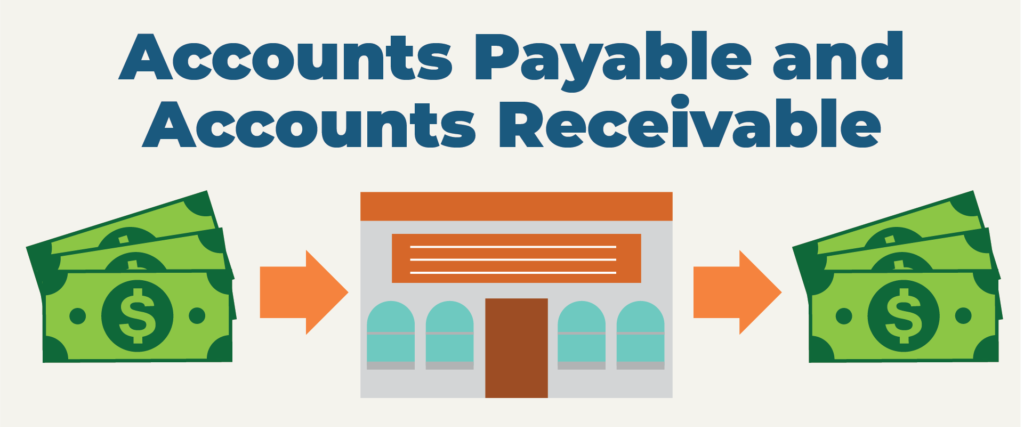
finance account receivable
Accounts receivable (AR) is a critical component of a company’s balance sheet, representing money owed to a business by its customers for goods or services delivered on credit. Managing AR efficiently ensures a steady cash flow, reduces bad debt risk, and optimizes working capital. In the field of finance account receivable management plays a crucial role in maintaining liquidity and ensuring business sustainability. The Role of Accounts Receivable in Business Finance Effective accounts receivable management directly impacts a company’s liquidity and financial stability. Businesses rely on AR to maintain operations, fund growth, and meet financial obligations. 1. Importance of Accounts Receivable Cash Flow Management: AR ensures incoming revenue, reducing reliance on external financing. Customer Relations: A well-managed AR system strengthens client trust and encourages repeat business. Financial Health: AR directly affects a company’s balance sheet and overall valuation. 2. Accounts Receivable vs. Accounts Payable Understanding the distinction between accounts receivable and accounts payable (AP) is essential. While AR represents money owed to a business, AP reflects amounts a business owes to suppliers. Feature Accounts Receivable (AR) Accounts Payable (AP) Represents Money owed by customers Money owed to suppliers Recorded as Asset on balance sheet Liability on balance sheet Impact on Cash Flow Increases when collected Decreases when paid The Accounts Receivable Process The accounts receivable cycle consists of several crucial steps to ensure efficiency and accuracy in financial transactions. 1. Invoice Generation Businesses issue invoices with payment terms, due dates, and penalties for late payments. Clearly outlining expectations minimizes disputes and accelerates payments. 2. Credit Assessment Extending credit involves evaluating customer creditworthiness to reduce bad debt risk. Companies conduct credit checks, analyze financial history, and set credit limits accordingly. 3. Recording Transactions Every credit sale is recorded as an accounts receivable entry, ensuring accurate bookkeeping and financial tracking. 4. Payment Collection Businesses implement proactive collection strategies, such as: Sending payment reminders. Offering early payment discounts. Establishing strong credit policies. 5. Reconciliation and Reporting Regular reconciliation ensures that recorded AR aligns with received payments, reducing discrepancies and financial inconsistencies. Best Practices for Managing Accounts Receivable 1. Implementing Clear Payment Terms Clearly defined payment terms and policies improve AR efficiency. Essential elements include: Payment deadlines (e.g., Net 30, Net 60). Late payment fees. Early payment incentives. 2. Automating the AR Process Leveraging accounts receivable automation tools enhances efficiency. Benefits include: Faster invoicing. Reduced manual errors. Streamlined payment tracking. 3. Conducting Regular AR Aging Analysis An AR aging report categorizes receivables based on due dates, helping businesses prioritize collections and identify overdue accounts. Common categories include: Current (0-30 days) Past due (31-60 days, 61-90 days, 90+ days overdue) 4. Establishing a Strong Collection Strategy A well-structured collection strategy involves: Consistent follow-ups on overdue payments. Negotiating flexible repayment plans for struggling clients. Enforcing penalties for late payments. 5. Offering Multiple Payment Methods Providing customers with diverse payment options increases the likelihood of timely payments. Common methods include: Bank transfers Credit card payments Digital wallets (PayPal, Stripe, etc.) Challenges in Managing Accounts Receivable 1. Late Payments and Default Risk Delayed payments disrupt cash flow and increase the risk of bad debt. Strategies to mitigate this include: Establishing clear credit policies. Implementing late payment penalties. Monitoring client payment histories. 2. Disputed Invoices Invoice disputes delay collections and create administrative burdens. Best practices to minimize disputes: Ensuring invoice accuracy. Maintaining detailed contracts and agreements. Offering prompt customer support. 3. Managing High AR Turnover A high accounts receivable turnover ratio indicates efficient collections. If turnover is low, businesses should: Strengthen credit policies. Implement stricter payment enforcement. Improve customer vetting processes. How to Optimize Accounts Receivable for Business Growth 1. Monitor Key AR Metrics Tracking key AR performance indicators helps businesses assess financial health. Important metrics include: Days Sales Outstanding (DSO): Measures the average time to collect payments. AR Turnover Ratio: Assesses efficiency in collecting receivables. Bad Debt Ratio: Evaluates the percentage of uncollected debts. 2. Strengthen Credit Control Policies A robust credit management policy minimizes financial risks. Companies should: Conduct thorough credit checks. Set appropriate credit limits. Establish clear credit terms. 3. Leverage AR Financing Solutions Businesses seeking immediate liquidity can explore accounts receivable financing options, such as: Invoice factoring: Selling invoices to a third-party firm. AR-based lending: Using AR as collateral for loans. 4. Invest in Accounts Receivable Software Modern AR software automates invoicing, collections, and reporting. Popular options include: QuickBooks Xero SAP Accounts Receivable Conclusion Effective accounts receivable management is crucial for sustaining a healthy cash flow, minimizing financial risks, and improving business profitability. By implementing clear payment policies, leveraging automation, and monitoring AR metrics, businesses can optimize their financial operations and foster long-term growth. Faq’s 1. What are the best practices for improving accounts receivable turnover? Set clear payment terms upfront. Offer multiple payment methods for convenience. Implement automated invoicing and reminders. Regularly follow up on outstanding invoices. Provide early payment discounts to encourage prompt payments. Conduct credit checks before extending payment terms. Maintain strong customer relationships to ensure prompt payments. 2. How can businesses reduce late payments and improve cash flow? Send invoices promptly and accurately. Use automated payment reminders and follow-ups. Offer discounts for early payments and penalties for late ones. Implement a structured collections process. Improve customer credit assessment and set appropriate limits. Offer flexible but structured payment plans for struggling clients. 3. What role does automation play in streamlining accounts receivable processes? Reduces manual errors in invoicing and payment tracking. Speeds up the invoicing process with automated billing. Sends automatic reminders for due and overdue invoices. Integrates with accounting systems for real-time updates. Provides analytics and reporting for better financial decision-making. Enhances security by reducing fraud risks. 4. How can companies effectively assess customer credit risk before extending payment terms? Conduct credit checks using credit reporting agencies. Analyze financial statements and payment history. Set credit limits based on the customer’s financial health. Require upfront deposits for high-risk clients. Monitor existing customers’ payment behaviors regularly. Establish clear policies for credit approval and risk management. 5. What are the most common
Read More
Audit Assurance Services
Audit assurance services provide an independent examination of a company’s financial statements, ensuring accuracy, transparency, and compliance with regulatory standards. These services help organizations enhance stakeholder confidence, detect fraud, and maintain financial accountability. The Importance of Audit Assurance Services Audit assurance services are essential for businesses of all sizes. They ensure financial reports are free from material misstatements, reduce risks associated with fraud, and help organizations comply with regulatory requirements. Companies that undergo regular audits gain investor trust, regulatory approval, and improved financial credibility. Key Benefits of Audit Assurance Services Enhanced Credibility: Independent audits assure stakeholders that financial statements accurately reflect a company’s financial position. Regulatory Compliance: Audits ensure adherence to financial reporting frameworks such as GAAP, IFRS, and SOX. Risk Mitigation: Identifying discrepancies in financial reports helps prevent fraud and misstatements. Operational Efficiency: Audit insights help organizations improve internal processes and financial controls. Investor Confidence: Reliable financial reports attract investors and strengthen shareholder relations. Types of Audit Assurance Services 1. External Audits An independent third-party firm conducts external audits to verify a company’s financial statements. This type of audit provides the highest level of assurance and transparency. 2. Internal Audits Internal audits are performed by an organization’s internal audit team to assess risk management, compliance, and operational efficiency. 3. Compliance Audits These audits evaluate an organization’s adherence to legal and regulatory requirements, including tax laws, employment regulations, and industry-specific mandates. 4. Financial Statement Audits A financial statement audit ensures that an organization’s financial statements present an accurate and fair view of its financial performance and position. 5. Operational Audits Operational audits assess business processes to ensure efficiency, cost-effectiveness, and goal alignment. 6. IT Audits With increasing reliance on technology, IT audits evaluate data security, system integrity, and cybersecurity measures within an organization. The Audit Process: Step-by-Step Overview 1. Planning and Risk Assessment The audit process begins with understanding the business, identifying key financial risks, and determining the audit scope. 2. Internal Control Evaluation Assessing internal controls helps auditors determine the reliability of financial reporting mechanisms and risk management procedures. 3. Evidence Collection Auditors gather evidence through document review, data analysis, and financial testing. 4. Data Analysis and Testing Financial transactions undergo thorough examination to identify inconsistencies, errors, or fraudulent activities. 5. Reporting and Recommendations A final audit report outlines the findings, highlights financial risks, and provides recommendations for improved financial integrity. 6. Follow-Up and Monitoring Post-audit reviews ensure organizations implement corrective measures to address audit findings. Choosing the Right Audit Assurance Firm 1. Expertise and Experience Select a firm with deep industry expertise and experience in regulatory compliance. 2. Certification and Accreditation Ensure the firm holds relevant certifications such as CPA (Certified Public Accountant) or ACCA (Association of Chartered Certified Accountants). 3. Reputation and Trustworthiness Verify the firm’s reputation by reviewing client testimonials, case studies, and industry recognition. 4. Comprehensive Service Offering A top-tier audit assurance firm should provide a full range of financial, operational, and compliance audit services. 5. Technology-Driven Approach Advanced audit tools and data analytics enhance accuracy, efficiency, and fraud detection capabilities. Industries That Benefit from Audit Assurance Services 1. Financial Institutions Banks and financial firms require rigorous audits to ensure regulatory compliance and risk management. 2. Healthcare Organizations Audits in healthcare assess financial integrity, regulatory adherence, and fraud prevention. 3. Manufacturing Companies Manufacturers rely on audits to optimize cost management, inventory control, and operational efficiency. 4. Non-Profit Organizations Transparency and accountability are essential for non-profits to maintain donor trust and regulatory compliance. 5. Technology Companies IT audits in tech firms evaluate data security, intellectual property protection, and financial controls. Trends in Audit Assurance Services 1. Automation and AI Integration Artificial intelligence and automation enhance audit accuracy, fraud detection, and financial data analysis. 2. Cybersecurity Audits With rising cyber threats, IT audits focusing on data security, encryption, and regulatory compliance are becoming crucial. 3. ESG Audits (Environmental, Social, Governance) Sustainability reporting and ESG compliance audits are gaining importance in corporate governance. 4. Blockchain and Forensic Audits Blockchain technology is being leveraged for fraud prevention, transaction verification, and data integrity in audits. Conclusion: The Value of Audit Assurance Services Audit assurance services play a critical role in maintaining financial transparency, risk management, and regulatory compliance. By engaging a reputable audit firm, businesses can enhance their credibility, detect financial irregularities, and improve operational efficiency. As industries evolve, leveraging technology-driven audit solutions will be essential for future-proofing financial reporting and corporate governance. Faq’s What are the key benefits of audit assurance services for businesses?Audit assurance services provide businesses with credibility, financial accuracy, compliance with regulations, and risk mitigation. They help detect fraud, improve internal controls, and boost investor and stakeholder confidence. How do audit assurance services improve financial transparency and compliance?By thoroughly examining financial statements and internal processes, audit assurance services ensure that financial reporting follows legal and industry standards, reducing the risk of misstatements, errors, or fraud. What industries benefit the most from audit assurance services?Industries such as banking, insurance, manufacturing, healthcare, real estate, and government agencies benefit significantly. Any organization handling complex financial transactions or regulatory requirements can leverage these services. How do audit assurance services help in identifying financial risks?Auditors assess financial records, internal controls, and compliance measures to identify inconsistencies, inefficiencies, and potential fraud. Their insights help businesses mitigate risks before they become major financial threats. What is the difference between audit assurance and other types of financial audits?Audit assurance focuses on providing an independent evaluation of financial statements to enhance credibility, whereas other audits (e.g., internal audits, tax audits) focus on specific aspects like compliance, taxation, or operational efficiency. How often should a company undergo an audit assurance process?The frequency depends on regulatory requirements and company policies. Public companies typically require annual audits, while private firms may opt for audits periodically or when seeking financing or investors. What qualifications should an audit assurance provider have?They should possess certifications like CPA (Certified Public Accountant) or ACCA (Association of Chartered Certified Accountants), have experience in financial auditing, and be knowledgeable about industry regulations and reporting
Read More
Top 4 Auditing Firms for Reliable Financial Assurance
Auditing firms play a crucial role in ensuring financial transparency, compliance, and trust in corporate governance. Among the vast array of firms operating globally, four stand out as the undisputed leaders. These firms, commonly known as the “Big Four,” dominate the auditing, advisory, and consulting landscape. Their vast networks, extensive expertise, and trusted reputation make them the go-to choices for businesses of all sizes. 1. Deloitte Deloitte is the largest of the Big Four firms, offering comprehensive auditing, consulting, tax, and advisory services. With a presence in over 150 countries and territories, Deloitte serves clients across multiple industries, providing tailored solutions that drive business efficiency and regulatory compliance. Key Services Audit & Assurance: Independent financial audits, risk assessments, and regulatory compliance. Consulting: Digital transformation, strategy, operations, and human capital solutions. Risk Advisory: Cybersecurity, governance, risk management, and internal controls. Tax & Legal: Tax compliance, legal advisory, and international taxation strategies. Why Deloitte? Recognized for innovation in audit technology and automation. A leader in sustainability reporting and ESG compliance. Strong presence in Fortune 500 companies. 2. PricewaterhouseCoopers (PwC) PwC stands as a global powerhouse in professional services, renowned for its meticulous auditing and advisory capabilities. With operations spanning over 150 countries, PwC provides financial insights that help businesses maintain regulatory compliance and optimize operations. Key Services Assurance Services: Financial statement audits, forensic accounting, and regulatory compliance. Consulting & Strategy: Business transformation, digital innovation, and AI-driven analytics. Risk & Regulatory Compliance: Governance, fraud detection, and cybersecurity solutions. Tax Services: International tax structuring, transfer pricing, and corporate tax compliance. Why PwC? Industry leader in financial forensics and fraud detection. Cutting-edge AI and data analytics integration in auditing. Comprehensive ESG and sustainability consulting services. 3. Ernst & Young (EY) Ernst & Young (EY) is widely recognized for its excellence in assurance, advisory, and tax services. With a commitment to technological advancement and business innovation, EY assists organizations in navigating complex financial landscapes. Key Services Audit & Assurance: High-quality financial audits and risk mitigation. Consulting Services: Performance improvement, digital transformation, and technology solutions. Strategy & Transactions: Business restructuring, mergers & acquisitions, and corporate strategy. Tax Advisory: Global tax compliance and regulatory updates. Why EY? Strong emphasis on AI-driven audit processes. Extensive experience in private equity and capital market transactions. Leading firm in climate change and sustainability reporting. 4. KPMG KPMG is a global leader in auditing and advisory services, known for its expertise in financial reporting, risk management, and compliance. With a presence in over 140 countries, KPMG offers insights that help businesses navigate regulatory complexities with confidence. Key Services Audit & Assurance: External audits, internal controls, and compliance reviews. Risk Consulting: Cybersecurity, regulatory compliance, and financial risk management. Tax & Legal Advisory: Global tax services, business structuring, and transfer pricing. Deal Advisory: Mergers & acquisitions, valuation, and restructuring. Why KPMG? Advanced AI-powered audit solutions for enhanced accuracy. Expertise in financial fraud prevention and forensic accounting. Strong partnerships in fintech and digital finance solutions. Conclusion The Big Four auditing firms—Deloitte, PwC, EY, and KPMG—are the cornerstones of global financial integrity. Their cutting-edge technological advancements, commitment to regulatory compliance, and extensive industry expertise make them the most sought-after firms for businesses seeking assurance, advisory, and risk management solutions. Whether it’s financial audits, tax structuring, or strategic consulting, these firms continue to set the standard in the professional services industry. Faq’s 1. What are the key differences between the Big Four auditing firms (Deloitte, PwC, EY, and KPMG)? While all four firms provide audit, tax, and consulting services, they have unique strengths: Deloitte: Largest in revenue, strong in consulting and digital transformation. PwC (PricewaterhouseCoopers): Strongest in tax and advisory services, particularly in corporate finance. EY (Ernst & Young): Focuses on audit, risk management, and business strategy. KPMG: Strong in audit and risk consulting, with a reputation for banking and financial services expertise. 2. How do the Big Four auditing firms ensure compliance with global financial regulations? The Big Four firms adhere to international accounting standards such as IFRS (International Financial Reporting Standards) and GAAP (Generally Accepted Accounting Principles). They also comply with SEC (Securities and Exchange Commission) regulations and follow guidelines set by the Public Company Accounting Oversight Board (PCAOB) and other regional financial authorities. They maintain compliance through rigorous internal quality controls, regulatory reporting, and regular training for auditors. 3. What industries do each of the Big Four auditing firms specialize in? Deloitte: Technology, media, telecommunications, and healthcare. PwC: Financial services, pharmaceuticals, and consumer markets. EY: Energy, real estate, and wealth & asset management. KPMG: Banking, insurance, and government sectors. 4. How do Big Four audits compare to audits conducted by mid-tier or smaller firms? Big Four audits: Offer global reach, deep expertise, strong credibility, and use advanced auditing tools. They are preferred by multinational corporations and publicly traded companies. Mid-tier firms (e.g., BDO, Grant Thornton): Provide cost-effective solutions with personalized service but may lack global resources. Smaller firms: More flexible and cost-efficient for SMEs but might not meet the audit requirements of large corporations. 5. What are the typical costs associated with hiring a Big Four auditing firm? Costs vary based on company size, complexity, and region. Small to mid-sized companies: $100,000 – $500,000 per year. Large corporations: $1 million – $10 million or more. Public companies: Costs can be significantly higher due to strict compliance requirements. 6. How do the Big Four auditing firms handle financial fraud detection and risk management? They use: Forensic accounting to detect irregularities. AI and data analytics to identify suspicious patterns. Risk assessment frameworks to evaluate vulnerabilities. Internal controls review to prevent fraud before it occurs. 7. What are the latest technological advancements used by the Big Four in auditing processes? AI & machine learning: Automates audit tasks and detects anomalies. Blockchain technology: Ensures secure and transparent financial records. Data analytics: Helps auditors analyze large datasets for risk assessment. Cloud computing: Improves accessibility and efficiency in audit processes. 8. How do businesses choose the best Big Four firm for their specific auditing needs? Consider industry expertise (e.g., Deloitte
Read More
meaning of account reconciliation
Account reconciliation is a crucial financial process that ensures the accuracy and integrity of a company’s financial records. It involves comparing internal financial records with external statements, such as bank statements, to identify and resolve any discrepancies. The meaning of account reconciliation refers to the process of verifying that financial transactions are recorded correctly and consistently across different records. This process helps businesses maintain financial transparency, prevent errors, and detect fraudulent activities. Why Account Reconciliation Matters Businesses of all sizes must conduct account reconciliation to ensure accurate financial reporting. Failing to reconcile accounts regularly can result in financial misstatements, cash flow discrepancies, and potential compliance issues. Regular reconciliation helps: Maintain accurate financial statements Identify errors, omissions, or fraud Ensure compliance with regulatory requirements Improve cash flow management Enhance decision-making processes Types of Account Reconciliation 1. Bank Reconciliation One of the most common types of account reconciliation, bank reconciliation, involves comparing a company’s cash account records with its bank statements. This process helps identify outstanding checks, bank fees, deposit errors, and unauthorized transactions. 2. Customer Reconciliation Customer reconciliation ensures that accounts receivable balances in a company’s records match the payments received from customers. This prevents billing disputes, unallocated payments, and discrepancies in revenue recognition. 3. Vendor Reconciliation Vendor reconciliation involves verifying the accounts payable ledger against vendor statements to confirm that all invoices and payments align. This ensures businesses pay only what is owed and avoid duplicate payments or disputes. 4. Intercompany Reconciliation For businesses with multiple subsidiaries or divisions, intercompany reconciliation ensures that transactions between entities are accurately recorded and balanced across financial statements. 5. General Ledger Reconciliation General ledger reconciliation involves matching and verifying balances in different accounts, such as liabilities, assets, and equity, ensuring financial accuracy across all accounts. Key Steps in the Account Reconciliation Process 1. Collect Financial Records Gather all relevant financial records, including bank statements, general ledgers, vendor invoices, customer statements, and supporting documentation. 2. Compare Records Compare internal records with external statements to identify discrepancies, missing transactions, or errors. 3. Investigate Discrepancies Any mismatches or unexplained differences must be investigated. This could involve: Checking for duplicate transactions Identifying timing differences Reviewing for unauthorized charges or fraudulent activities 4. Adjust Financial Statements Once discrepancies are identified and verified, adjustments are made to reflect the correct balances in financial records. 5. Document and Review Maintain detailed records of the reconciliation process for audit trails, compliance, and future reference. 6. Implement Automation for Efficiency Using accounting software or automation tools can streamline reconciliation processes, reducing manual errors and increasing efficiency. Challenges in Account Reconciliation 1. Data Inconsistencies Businesses often struggle with inconsistent financial data due to errors in manual data entry, duplicate transactions, or missing records. 2. High Volume of Transactions For larger organizations, reconciling thousands of transactions can be time-consuming and complex. 3. Lack of Standardized Procedures Without standardized reconciliation policies, businesses may face inconsistencies in financial reporting. 4. Fraud and Unauthorized Transactions Failure to reconcile accounts regularly may allow fraudulent activities to go unnoticed, resulting in financial losses. Best Practices for Effective Account Reconciliation 1. Reconcile Accounts Regularly Performing reconciliations monthly or weekly helps detect and resolve issues promptly. 2. Leverage Accounting Software Using automated reconciliation tools such as QuickBooks, Xero, or SAP can minimize manual errors and improve efficiency. 3. Establish Clear Policies and Procedures Having well-documented accounting policies and controls ensures consistency in the reconciliation process. 4. Conduct Periodic Audits Regular internal and external audits help verify the accuracy of financial data and identify potential fraud. 5. Train Finance Teams Ensuring that accounting teams are well-trained in reconciliation procedures enhances financial accuracy and compliance. Benefits of Accurate Account Reconciliation Improves Financial Accuracy – Ensures reliable financial reporting Enhances Compliance – Meets regulatory and auditing requirements Reduces Fraud Risk – Identifies unauthorized transactions early Optimizes Cash Flow Management – Helps businesses track cash inflows and outflows effectively Supports Business Growth – Provides better financial insights for strategic decision-making Final Thoughts Account reconciliation is an essential practice for businesses looking to maintain financial accuracy, prevent fraud, and improve overall financial health. By implementing structured reconciliation procedures, leveraging automation, and conducting regular audits, organizations can enhance their financial reporting, compliance, and operational efficiency. Adopting best practices in account reconciliation ensures that businesses stay on top of their financial records, making informed decisions that drive long-term growth and stability. Faq’s 1. What is the meaning of account reconciliation in accounting? Account reconciliation is the process of comparing financial records, such as bank statements, invoices, or ledgers, to ensure accuracy and consistency. It helps identify discrepancies between internal records and external statements, ensuring that financial reports reflect the true financial position of a business. 2. Why is account reconciliation important for financial management? Account reconciliation is essential for financial management because it ensures the accuracy of financial statements, prevents errors, detects fraud, and helps maintain compliance with accounting regulations. It also supports better decision-making by providing reliable financial data. 3. What are the key steps involved in the account reconciliation process? The key steps in account reconciliation include: Gathering records – Collect relevant financial documents (bank statements, ledgers, invoices, etc.). Comparing balances – Match the recorded transactions with external statements. Identifying discrepancies – Locate errors, missing transactions, or fraudulent activities. Adjusting records – Correct errors or update records accordingly. Finalizing reconciliation – Ensure all discrepancies are resolved and document the process. 4. How often should businesses perform account reconciliation? The frequency of account reconciliation depends on the type of account and business needs. Bank accounts: Typically reconciled monthly. Accounts payable & receivable: Often reconciled weekly or monthly. General ledger accounts: Reviewed quarterly or annually.For high-volume businesses, daily reconciliation may be necessary to prevent financial discrepancies. 5. What are the common challenges faced during account reconciliation? Some common challenges include: Data entry errors leading to mismatched records. Missing transactions due to timing differences. Fraudulent activities that distort financial accuracy. Inefficiencies caused by manual reconciliation processes. Difficulty in accessing accurate or complete financial records. 6. What is the difference
Read More
Bank Reconciliation Example
Bank reconciliation is a crucial financial process that ensures a company’s financial records align with the bank’s statement. It helps detect errors, identify fraudulent transactions, and maintain accurate financial reporting. This process is particularly essential for businesses handling large volumes of transactions to ensure financial accuracy and transparency. Importance of Bank Reconciliation Performing regular bank reconciliations offers several benefits: Detects Errors: Identifies discrepancies such as duplicate transactions, missing deposits, or bank errors. Prevents Fraud: Helps uncover unauthorized transactions or forged checks. Ensures Accuracy: Aligns book balances with actual bank balances for correct financial reporting. Improves Cash Flow Management: Keeps track of available funds and outstanding checks. Aids in Compliance: Helps businesses adhere to financial regulations and audit requirements. Step-by-Step Bank Reconciliation Example Step 1: Gather Required Documents To begin the reconciliation process, gather: The company’s cash ledger or check register. The bank statement for the reconciliation period. Any deposit slips and canceled checks. Step 2: Compare Bank Statement with Company Records Review the bank statement line by line, matching transactions with the company’s cash ledger. Identify differences such as: Outstanding Checks: Checks issued but not yet cleared by the bank. Deposits in Transit: Deposits recorded in company books but not yet reflected in the bank statement. Bank Fees and Interest: Charges deducted or interest earned not yet recorded in company books. Step 3: Identify Discrepancies Once all transactions have been matched, note any discrepancies, including: Bank Errors: Rare but possible, such as incorrect charges or unprocessed deposits. Company Errors: Misrecorded transactions, duplicate entries, or missing transactions. Step 4: Adjust the Cash Book Update the company’s financial records to reflect: Bank Service Charges: Deduct any service fees. Interest Earned: Add any interest income. Errors in Company Records: Correct any mistakes found in the cash ledger. Step 5: Adjust the Bank Statement (if needed) If any bank errors exist, contact the bank to rectify them. Adjustments may include: Requesting corrections for incorrectly processed checks. Verifying uncredited deposits. Resolving unauthorized transactions. Step 6: Confirm and Reconcile Balances Ensure the adjusted cash book balance matches the corrected bank statement balance. If they still differ, review outstanding transactions and repeat the reconciliation process until both balances align. Example of a Bank Reconciliation Statement To illustrate, consider the following scenario: Company XYZ’s Cash Ledger as of February 28, 2025: Date Description Debit Credit Balance Feb 1 Beginning Balance $10,000 Feb 5 Customer Payment $5,000 $15,000 Feb 10 Check #101 Issued $3,000 $12,000 Feb 15 Bank Service Fee $50 $11,950 Bank Statement as of February 28, 2025: Date Description Amount Type Feb 5 Customer Payment $5,000 Credit Feb 10 Check #101 $3,000 Debit Feb 15 Bank Service Fee $50 Debit Feb 25 Interest Earned $25 Credit Reconciliation Adjustments: Outstanding Checks: None. Deposits in Transit: None. Bank Fees: $50 recorded. Interest Earned: $25 not yet recorded in books. Corrected Cash Balance: $11,950 + $25 = $11,975. Final Reconciled Balance: $11,975 Best Practices for Bank Reconciliation Perform Reconciliations Regularly: Monthly reconciliations prevent accumulation of errors and discrepancies. Maintain Proper Documentation: Keep records of bank statements, canceled checks, and receipts for future reference. Use Accounting Software: Tools like QuickBooks or Xero automate reconciliation and reduce manual errors. Establish Internal Controls: Segregate duties to ensure accountability and prevent fraud. Investigate Discrepancies Promptly: Address any errors or unauthorized transactions immediately. Common Challenges in Bank Reconciliation and Solutions Challenge Solution Unrecorded Bank Transactions Regularly review and update records. Outstanding Checks Causing Mismatches Track issued checks and follow up on uncleared ones. Fraudulent Transactions Implement strong internal controls and review transactions frequently. Manual Errors Use automated reconciliation tools to minimize mistakes. Conclusion Bank reconciliation is a vital accounting process that ensures financial accuracy and integrity. By following structured steps and best practices, businesses can maintain precise financial records, prevent fraud, and manage cash flow effectively. Regular reconciliations not only enhance financial transparency but also contribute to better financial decision-making. Faq’s 1. What is a bank reconciliation, and why is it important for businesses? A bank reconciliation is the process of comparing a company’s internal financial records (such as a cash ledger) with its bank statement to ensure they match. This helps identify discrepancies, prevent fraud, catch errors, and ensure accurate financial reporting. 2. Can you provide a step-by-step bank reconciliation example? Yes! Here’s an example:Step 1: Obtain the company’s cash ledger and the bank statement for the same period.Step 2: Compare the ending balances. Suppose the cash ledger shows $5,000 while the bank statement shows $4,800.Step 3: Identify differences, such as outstanding checks ($300), deposits in transit ($200), and bank fees ($100).Step 4: Adjust the cash ledger or note items for future updates. The reconciled balance should match after adjustments. 3. What common discrepancies arise during bank reconciliation, and how can they be resolved? Outstanding checks (issued but not cleared): Wait until the bank processes them. Deposits in transit (deposited but not recorded by the bank): Verify they clear in the next cycle. Bank errors: Contact the bank to correct them. Accounting errors (duplicate entries, missing transactions): Adjust internal records accordingly. 4. How does a bank reconciliation help detect fraud or errors in financial statements? It reveals unauthorized transactions, forged checks, duplicate payments, missing deposits, and unauthorized withdrawals. If discrepancies persist, it may indicate fraud or accounting errors that require investigation. 5. What documents are needed to perform a bank reconciliation? The company’s cash ledger or accounting records The bank statement for the relevant period Any supporting documents such as check stubs, deposit slips, and bank fee notifications 6. How often should businesses conduct bank reconciliations? Businesses should reconcile their bank accounts monthly at a minimum, but high-volume companies may do it weekly or daily to ensure up-to-date records and detect errors quickly. 7. What is the difference between a bank statement balance and a cash book balance? Bank statement balance: The amount shown in the bank’s records. Cash book balance: The company’s internal record of cash transactions.Differences occur due to outstanding checks, deposits in transit, and bank fees. 8. How can accounting
Read More
Accounts Receivable and Payables: A Comprehensive Guide For Growth
Managing accounts receivable (AR) and accounts payable (AP) is fundamental to the financial stability of any business. These two components directly influence cash flow, financial planning, and business growth. Properly handling AR and AP ensures timely collections, maintains vendor relationships, and optimizes working capital. What Are Accounts Receivable and Accounts Payable? Accounts Receivable (AR) Accounts receivable refers to the money that customers owe to a business for goods or services provided on credit. These amounts are recorded as assets on the balance sheet because they represent expected income. Effective AR management ensures steady cash inflow, reducing the risk of bad debts. Accounts Payable (AP) Accounts payable represents a company’s obligation to pay suppliers or vendors for goods and services received. These liabilities are recorded as short-term obligations on the balance sheet. Maintaining efficient AP processes helps businesses maintain strong vendor relationships and take advantage of early payment discounts. Importance of Proper AR and AP Management A well-structured AR and AP system ensures: Consistent cash flow to fund operations and investments. Reduced financial risk by minimizing outstanding debts and liabilities. Enhanced vendor and customer relationships through timely payments and collections. Stronger financial reporting for informed decision-making. Best Practices for Managing Accounts Receivable 1. Clear Credit Policies Setting well-defined credit policies helps in evaluating customers before extending credit. Businesses should establish credit limits, payment terms, and assessment criteria to minimize the risk of non-payment. 2. Automated Invoicing and Reminders Using automated invoicing software speeds up the billing process and reduces human errors. Sending timely reminders ensures prompt payments and reduces overdue accounts. 3. Regular Account Reconciliation Reconciling AR records with bank statements helps detect errors, unauthorized deductions, or missed payments. Keeping accurate records prevents financial discrepancies. 4. Offering Multiple Payment Methods Providing diverse payment options, including credit cards, bank transfers, and digital wallets, enhances customer convenience and accelerates payment processing. 5. Implementing Early Payment Incentives Offering discounts for early payments motivates customers to settle invoices sooner, improving cash flow. Best Practices for Managing Accounts Payable 1. Organized Invoice Processing A streamlined invoice approval process prevents late payments and penalties. Centralizing invoice processing ensures accurate tracking and compliance. 2. Negotiating Favorable Payment Terms Businesses should negotiate extended payment terms with suppliers to optimize cash flow while ensuring timely payments to avoid late fees and maintain supplier trust. 3. Leveraging AP Automation Automating AP workflows minimizes errors, enhances efficiency, and improves payment scheduling. It also reduces administrative workload and prevents missed due dates. 4. Maintaining Vendor Relationships Strong vendor relationships lead to better pricing, improved credit terms, and priority service. Ensuring timely payments builds credibility and fosters long-term partnerships. 5. Cash Flow Forecasting Regular forecasting helps businesses prepare for upcoming payments, ensuring sufficient liquidity and avoiding cash shortages. Impact of AR and AP on Business Financial Health Cash Flow Optimization Effective AR and AP strategies ensure businesses have the cash needed to meet obligations while minimizing excess idle funds. Improved Working Capital Management Balancing receivables and payables improves working capital efficiency, allowing companies to allocate resources effectively. Reduced Bad Debt Risk Proactive AR management reduces the risk of bad debts, ensuring a healthier balance sheet and financial stability. Better Financial Planning Accurate AR and AP tracking allows businesses to create informed financial forecasts, preventing unexpected shortfalls and ensuring operational continuity. Challenges in AR and AP Management Late Payments and Collections Delays in receiving payments can lead to cash shortages, requiring businesses to implement stricter collection policies and credit checks. Invoice Discrepancies and Errors Errors in invoices can delay payments and damage vendor relationships. Regular audits and automation reduce these discrepancies. Fraud Risks Unauthorized transactions and fraudulent invoices pose significant financial risks. Implementing fraud detection mechanisms and approval hierarchies mitigates these threats. Regulatory Compliance Businesses must adhere to tax and financial regulations when managing AP and AR. Ensuring compliance avoids penalties and legal issues. Technology and Automation in AR and AP Accounts Receivable Software Modern AR software automates invoicing, payment tracking, and reminders, reducing manual intervention and enhancing efficiency. Accounts Payable Software Automated AP solutions streamline invoice processing, approval workflows, and payment scheduling, ensuring accuracy and efficiency. Integration with Accounting Systems Seamless integration between AR/AP systems and accounting platforms enhances real-time financial tracking and reporting. Conclusion Efficient management of accounts receivable and accounts payable is critical for financial success. Businesses must adopt best practices, leverage automation, and maintain strong relationships with customers and suppliers to optimize cash flow and drive growth. By implementing structured AR and AP strategies, companies can strengthen financial stability and sustain long-term profitability. Faq’s 1. What are the biggest challenges your business faces in managing accounts receivable and payables? Late payments from customers impacting cash flow. Manual processes leading to inefficiencies and errors. Difficulty in reconciling invoices and payments. Ensuring timely payments to vendors without disrupting operations. Compliance with tax and regulatory requirements. 2. How do you currently track and manage outstanding invoices and payments? Using accounting software like QuickBooks, Xero, or SAP. Maintaining spreadsheets for tracking due dates and outstanding balances. Automated invoicing and reminders through ERP systems. Regular follow-ups with clients through email or phone. 3. What payment terms do you typically offer to customers, and how do they impact your cash flow? Common terms: Net 30, Net 60, or Net 90 days, depending on the industry and client relationship. Shorter payment terms (e.g., Net 15) improve cash flow but may reduce competitiveness. Longer terms (Net 60+) can lead to cash flow strain but attract more customers. Early payment discounts (e.g., 2/10 Net 30) encourage faster payments. 4. Which accounting software or tools do you use for managing accounts receivable and payables? QuickBooks, Xero, FreshBooks for small to mid-sized businesses. SAP, Oracle, Microsoft Dynamics for enterprises. Automated payment solutions like Bill.com, Stripe, or PayPal for online transactions. 5. How often do late payments from customers affect your business operations? Frequently in industries with long sales cycles or B2B transactions. Delays in payments can lead to cash flow shortages and operational disruptions. High dependency on a few large clients
Read More
Accounts Receivable and Payables: A Complete Guide to Managing Business Finances
Effective accounts receivable (AR) and accounts payable (AP) management is crucial for maintaining a healthy cash flow and ensuring the financial stability of a business. Understanding the intricacies of invoice processing, payment cycles, credit management, and financial reconciliation can significantly improve efficiency and reduce risks. This guide explores the essentials of AR and AP, offering valuable insights for businesses looking to optimize their financial operations. Understanding Accounts Receivable (AR) What Is Accounts Receivable? Accounts receivable refers to the outstanding payments that a company is owed by its customers for goods or services delivered on credit. These amounts are recorded as current assets on the balance sheet and represent a business’s right to receive cash within a specific period. Importance of Managing Accounts Receivable Efficient AR management ensures that a company maintains steady cash inflows, minimizes bad debt, and sustains strong relationships with customers. Poor AR management can lead to cash flow constraints, delayed growth, and increased financial risk. Key Components of Accounts Receivable Management Credit Policies and Terms – Establishing clear credit policies helps businesses mitigate the risk of delayed payments. This includes setting credit limits and defining payment terms. Invoicing Practices – Timely and accurate invoicing is essential. Clear, detailed invoices with due dates and payment methods improve collection efficiency. Collections Process – Implementing a structured follow-up process ensures timely collections. Automated reminders and dunning letters can enhance efficiency. Cash Application – Accurately recording received payments ensures proper financial reconciliation and reduces discrepancies. Bad Debt Management – Identifying delinquent accounts early and having a strategy for write-offs or debt recovery improves financial control. Best Practices for Accounts Receivable Optimization Offer multiple payment options to improve customer convenience. Implement automated invoicing and reminders to reduce manual effort. Conduct regular AR aging analysis to identify overdue accounts. Enforce strict credit approval processes to limit exposure to high-risk customers. Establish a dedicated AR team to handle collections efficiently. Understanding Accounts Payable (AP) What Is Accounts Payable? Accounts payable represents the amounts a business owes to suppliers or vendors for goods and services received but not yet paid for. AP is recorded as a current liability on the balance sheet and directly impacts a company’s liquidity and reputation. Importance of Managing Accounts Payable Proper AP management ensures that a business maintains good supplier relationships, avoids late payment penalties, and optimizes cash flow. Delayed payments can lead to strained vendor relationships and reduced creditworthiness. Key Components of Accounts Payable Management Invoice Processing – Timely receipt, verification, and approval of supplier invoices prevent payment delays and disputes. Payment Scheduling – Strategic payment planning maximizes cash flow while maintaining positive vendor relationships. Vendor Management – Building strong relationships with vendors can lead to better payment terms and discounts. Expense Tracking – Monitoring expenses helps in identifying cost-saving opportunities and ensuring accurate financial reporting. Fraud Prevention – Implementing internal controls reduces the risk of fraudulent transactions and unauthorized payments. Best Practices for Accounts Payable Optimization Leverage AP automation tools to streamline invoice processing and approvals. Take advantage of early payment discounts offered by suppliers. Maintain a clear approval workflow to ensure proper authorization of payments. Reconcile vendor statements regularly to prevent discrepancies. Avoid late payments by setting up reminders and alerts for due invoices. The Relationship Between AR and AP A well-balanced accounts receivable and accounts payable process ensures financial stability. While AR represents incoming funds, AP represents outgoing payments. Effective management of both ensures that a company maintains sufficient liquidity and avoids cash flow disruptions. Key Metrics for AR and AP Analysis Days Sales Outstanding (DSO) – Measures the average time taken to collect payments from customers. Days Payable Outstanding (DPO) – Calculates the average time taken to pay suppliers. Cash Conversion Cycle (CCC) – Analyzes how efficiently a company converts resources into cash flow. AR and AP Turnover Ratios – Evaluate the efficiency of collections and payments. Technology’s Role in AR and AP Management Automation and Artificial Intelligence in Financial Processes The adoption of AI-driven automation in AR and AP has revolutionized financial management. Businesses can leverage software to streamline operations, reduce manual errors, and enhance financial visibility. Popular AR and AP Software Solutions QuickBooks – Ideal for small and medium-sized businesses. SAP Ariba – Enterprise-grade AP automation solution. Bill.com – Simplifies invoice management and payment processing. NetSuite ERP – Comprehensive financial management platform. Xero – Cloud-based solution for AR and AP tracking. Benefits of Automating AR and AP Faster invoicing and payment processing. Reduced errors and improved compliance. Enhanced financial reporting and analytics. Increased efficiency and reduced administrative workload. Challenges in AR and AP Management While technology has streamlined AR and AP processes, businesses still face challenges in: Late Payments – Customers delaying payments can strain cash flow. Disputes and Errors – Invoice discrepancies lead to collection and payment delays. Regulatory Compliance – Adhering to financial regulations requires meticulous documentation. Fraud Risks – Cybersecurity threats can compromise financial transactions. Conclusion Effective accounts receivable and accounts payable management is fundamental for business success. By leveraging automation, optimizing financial workflows, and adhering to best practices, companies can ensure strong cash flow, better vendor relationships, and improved profitability. Investing in robust financial processes and technology will enable businesses to scale efficiently and maintain long-term financial health. Faq’s What are the biggest challenges your company faces in managing accounts receivable and payables? Common challenges include delayed payments from customers, cash flow inconsistencies, manual data entry errors, difficulty reconciling invoices, and ensuring timely vendor payments. How do you currently track and manage outstanding invoices and payments? Most businesses use accounting software like QuickBooks, SAP, NetSuite, or custom ERP systems. Some still rely on spreadsheets and manual tracking, though automation is increasing. What payment terms do you typically offer to your customers, and how do you enforce them? Standard payment terms are Net 30, Net 60, or Net 90. Enforcement includes automated reminders, early payment discounts, late fees, and leveraging collection agencies when necessary. How often do late payments or unpaid invoices impact your business’s cash flow? Many
Read More